An-Noor Eye Hospital

Dry Eye Treatment

From artificial tears to IPL therapy – lasting relief for dry, tired eyes.
Dry Eye Treatment 1
Dry Eye Treatment 2
Dry Eye Treatment 3
Dry Eye Treatment 4

What are Dry Eyes?

Dry eyes occur when the eyes do not produce enough tears or when the tears evaporate too quickly. This condition can lead to discomfort and potential damage to the surface of the eye. Dry eyes can be caused by various factors, including environmental conditions, medical conditions, or medications.

Symptoms of Dry Eyes

Dryness or Grittiness Redness Burning Sensation Watery Eyes Blurred Vision Sensitivity to Light Eye Fatigue

Diagnosis of Dry Eyes

01

Comprehensive Eye Exam

  • Visual Acuity Test: Assesses how well you see at various distances.
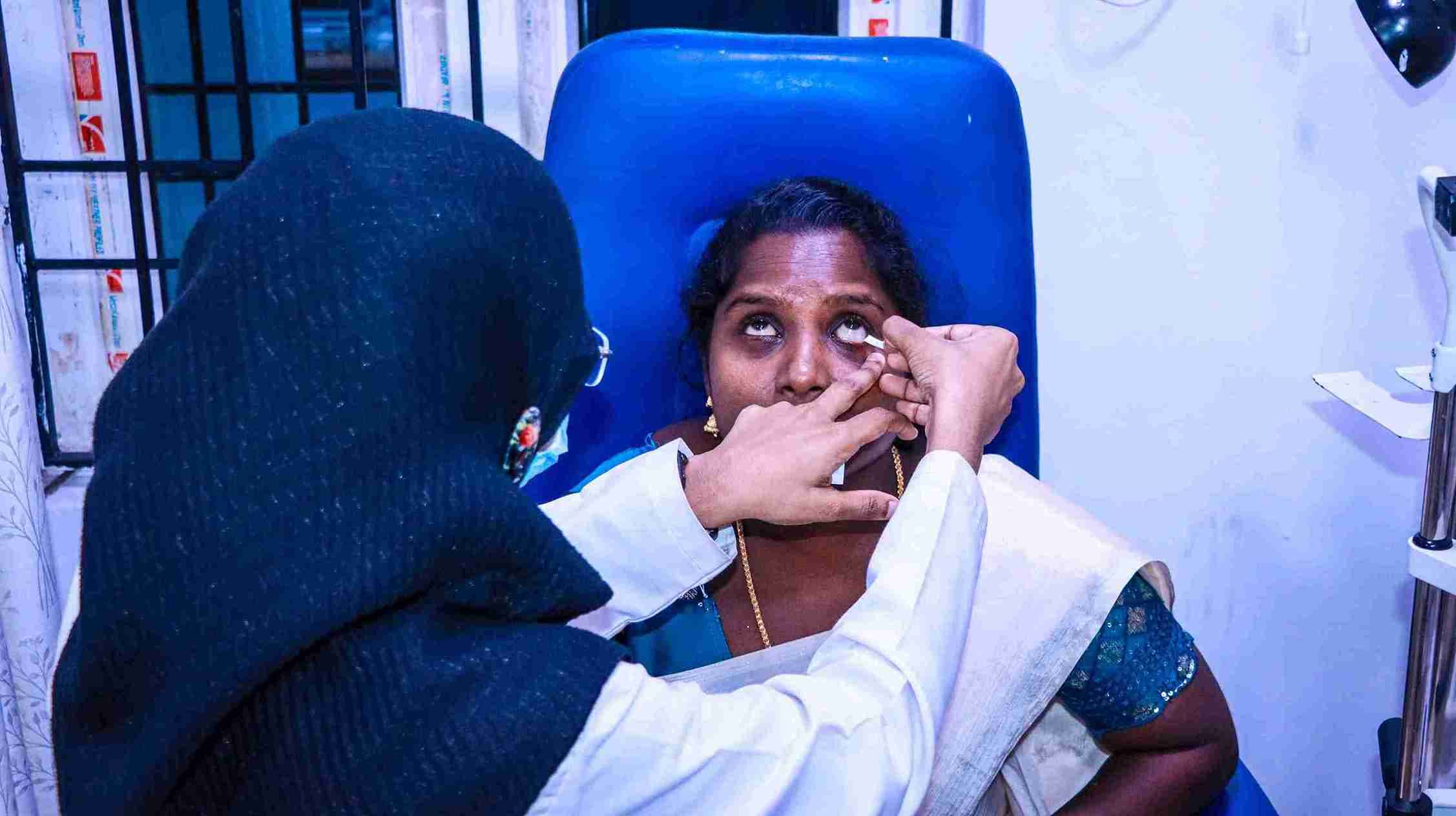
  • Slit Lamp Examination: Uses a special microscope to examine the surface of the eye and the tear film.
02

Tear Break-Up Time (TBUT)

Measures how long the tear film remains stable before breaking up, indicating tear quality.

03

Schirmer’s Test

Measures tear production by placing small strips of paper in the lower eyelid to see how much tears are produced over a specific period.

04

Lissamine Green or Fluorescein Staining

Uses special dyes to highlight damaged areas on the surface of the eye, helping to identify dry spots or corneal damage.

05

Ocular Surface Disease Index (OSDI)

A questionnaire that assesses the frequency and severity of dry eye symptoms.

Treatment of Dry Eyes

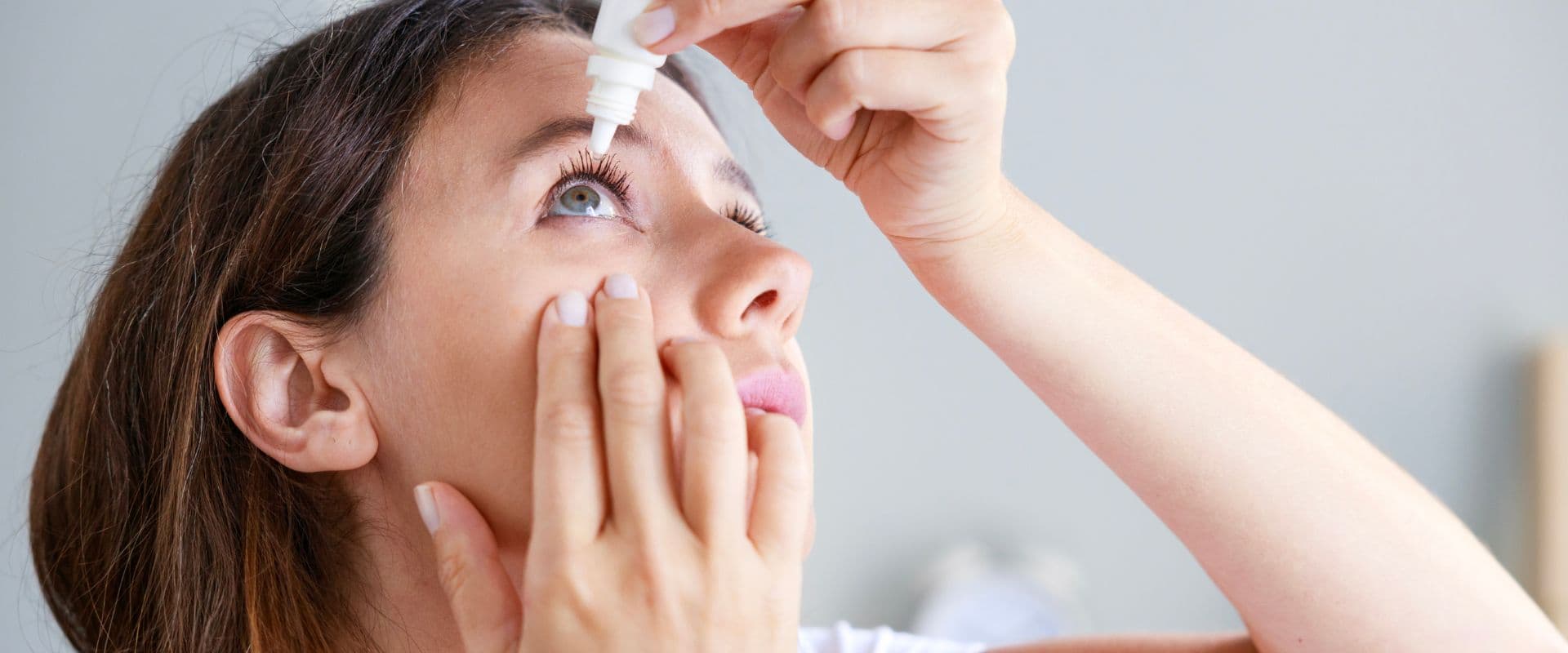
Artificial Tears Prescription Medications Punctal Plugs Heat and Moisture Treatments Lifestyle and Environmental Adjustments Diet and Supplements

Prevention and Management of Dry Eyes

Dry eyes can be a chronic and uncomfortable condition, but various treatments and lifestyle adjustments can help manage symptoms effectively. If you experience persistent symptoms, consult an eye care professional to determine the most appropriate treatment and preventive measures for your situation.

  • Regular Eye Exams
  • Screen Time Management: Follow the 20-20-20 rule
  • Environmental Controls
  • Healthy Lifestyle Choices
  • Avoid Irritants

IPL

Intense Pulsed Light (IPL) Therapy

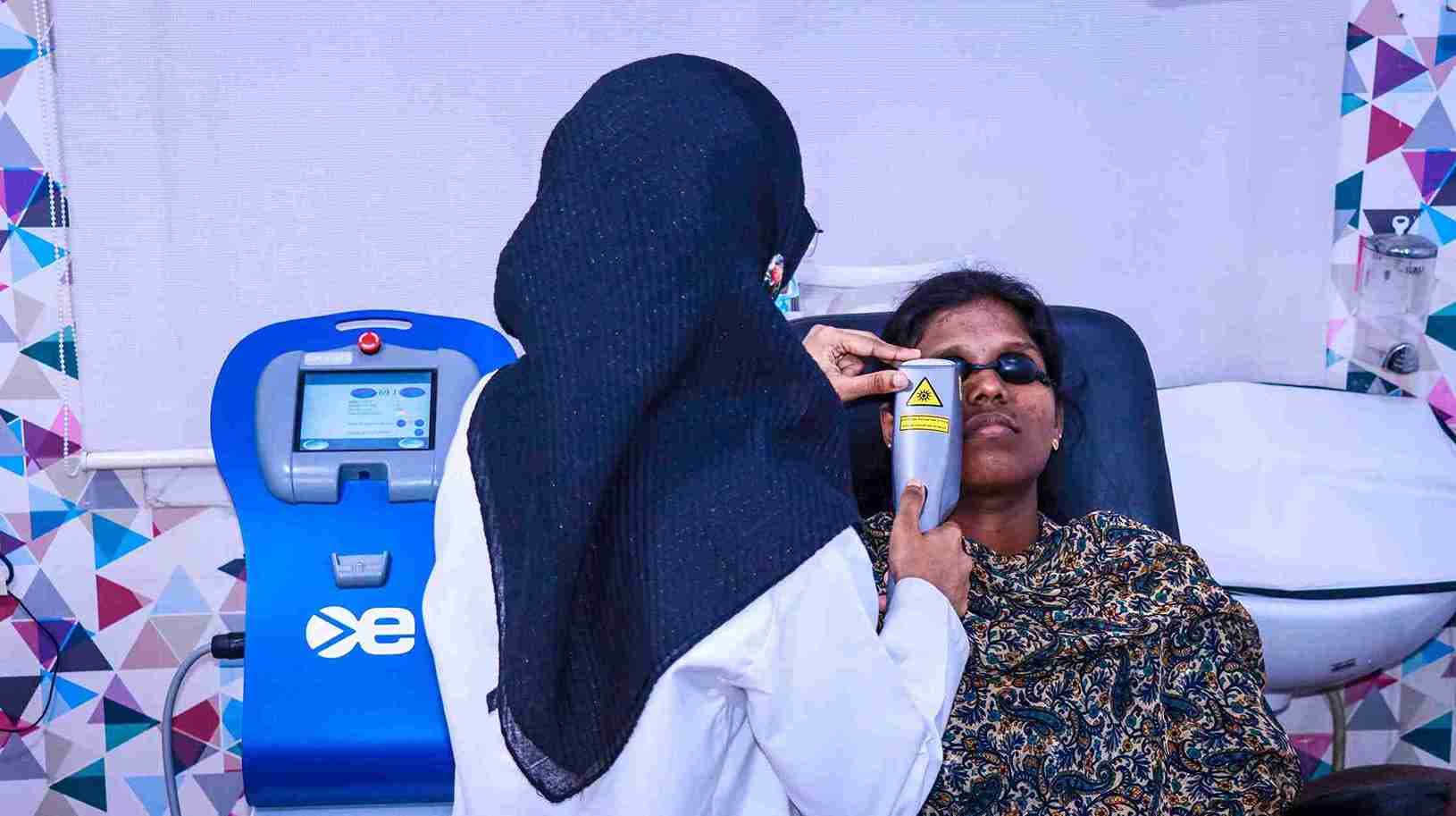
Intense Pulsed Light (IPL) therapy is a non-invasive treatment used in various medical and cosmetic applications. It involves the use of broad-spectrum light to target and treat specific issues in the skin and eyes. IPL is commonly utilized for conditions related to skin health, such as pigmentation problems and vascular issues, and also in eye care for managing dry eye disease.

01

How IPL Therapy Works

  • Light Emission: IPL devices emit pulses of light across a broad spectrum of wavelengths. The light is absorbed by specific targets in the skin or eyes, depending on the condition being treated.
  • Selective Photothermolysis: The light targets specific chromophores (color pigments) in the tissue without affecting surrounding areas. This process helps to reduce or eliminate unwanted conditions.
02

Eye Care Applications

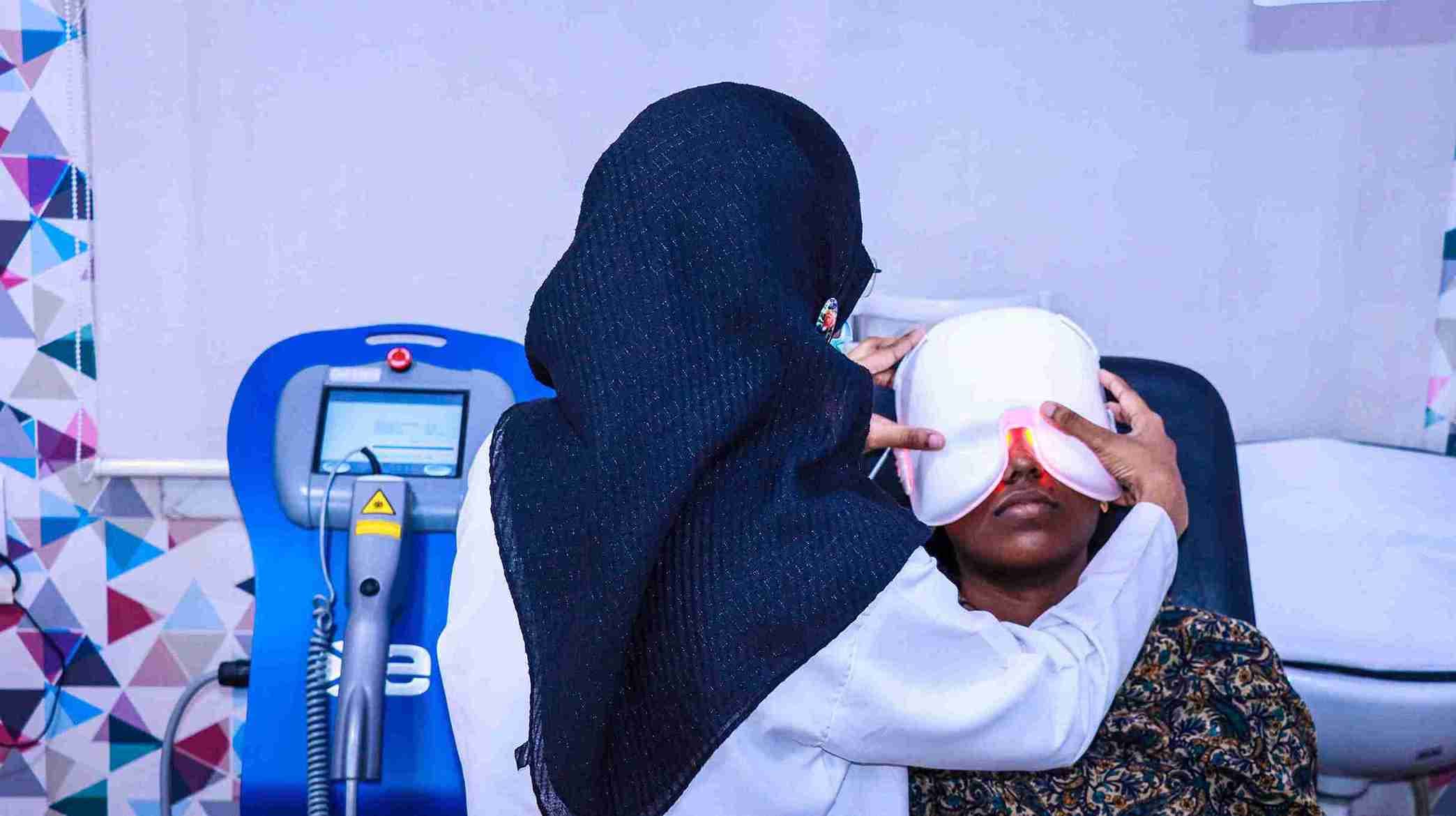
  • Dry Eye Disease: IPL therapy is used to treat meibomian gland dysfunction, a common cause of dry eye. The light helps to melt and express the clogged oils in the meibomian glands, improving tear quality and reducing symptoms of dryness and irritation.
  • Blepharitis: IPL can also help in managing blepharitis, an inflammation of the eyelid margins, by reducing inflammation and bacterial load.
03

Procedure Details

  • Preparation: The treatment area is cleaned, and a gel is applied to aid in the transmission of light and protect the skin or eyes.
  • Treatment: The IPL device is used to deliver light pulses to the targeted area. The sensation is often described as a mild snapping or warming feeling.
  • Duration: Each session typically lasts between 20 to 30 minutes. Multiple sessions are usually required for optimal results.
04

Benefits of IPL Therapy

  • Non-Invasive: No cuts or stitches are involved.
  • Minimal Downtime: Most patients can resume normal activities shortly after treatment.
  • Versatile: IPL can address a wide range of skin and eye conditions with a single device.
05

Side Effects and Considerations

  • Common side effects: temporary redness, swelling, or mild discomfort in the treated area, pigmentation changes and sun sensitivity.
  • Safety and precautions: consultation with a qualified practitioner, a patch test to check for adverse reactions, and aftercare to achieve the best results and minimize side effects.

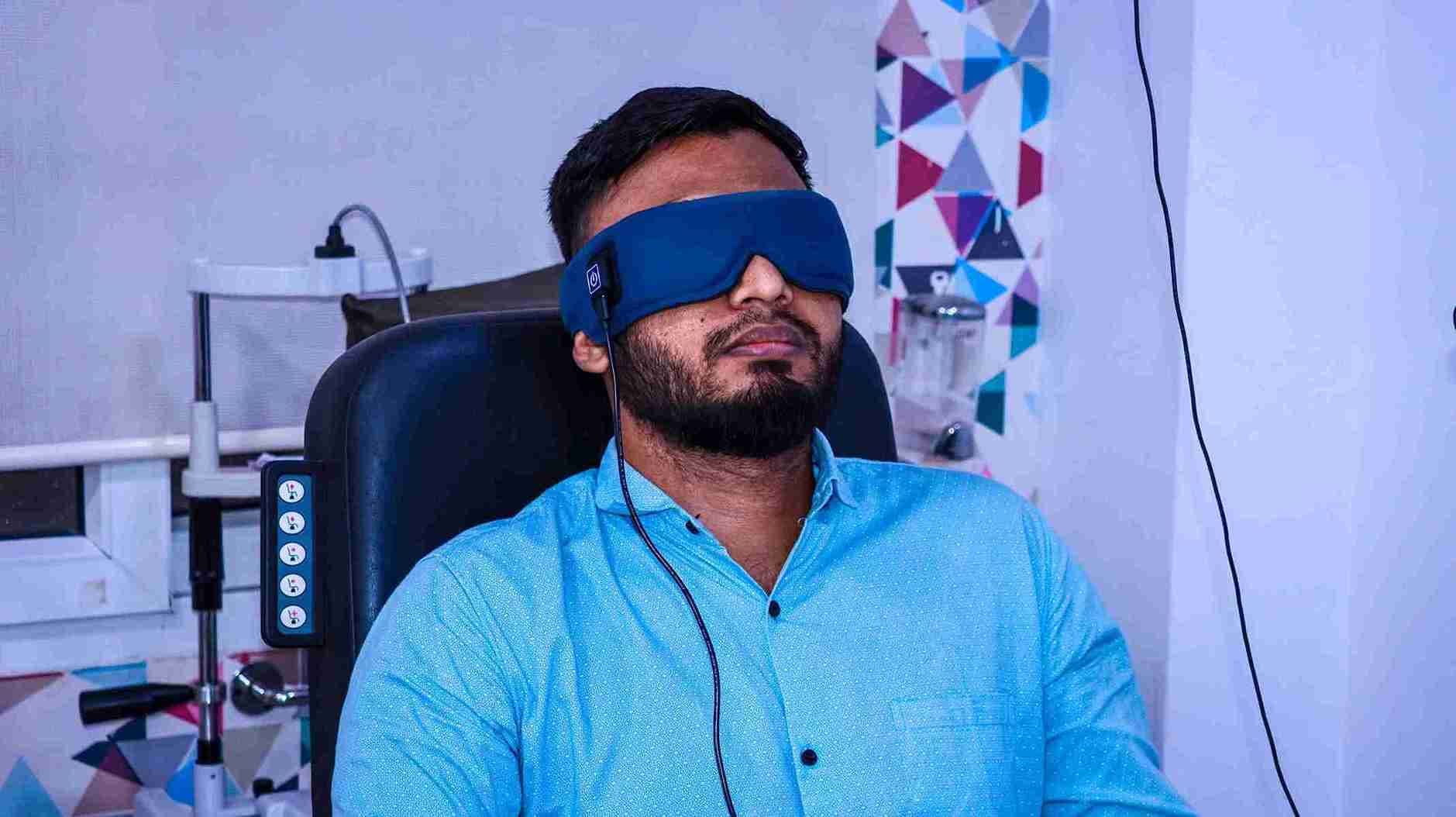
Eye Masks: Uses, Types, and Benefits

Eye masks are versatile accessories used for various purposes, including improving sleep quality, alleviating eye strain, and supporting eye health. They come in different forms and can be designed for therapeutic, cosmetic, or comfort purposes.

01

Types of Eye Masks

  • Sleep Masks
  • Cooling Eye Masks
  • Heated Eye Masks
  • Moisturizing Eye Masks
  • Gel Eye Masks
02

Benefits of Eye Masks

  • Enhanced Sleep Quality
  • Eye Strain Relief
  • Skin Care
  • Therapeutic Use
03

Safety and Maintenance

  • Cleanliness: Regularly clean reusable eye masks according to the manufacturer’s instructions to prevent bacterial buildup.
  • Skin Sensitivity: If using a product with added ingredients, perform a patch test to check for any adverse reactions.
  • Storage: Store cooling masks properly in the refrigerator or freezer and avoid overuse to maintain their effectiveness.

Our Videos

A closer look at our latest solutions

FAQs

Frequently Asked Questions

While it may not be possible to prevent dry eyes entirely, you can reduce your risk by managing screen time with regular breaks (20-20-20 rule), using humidifiers, avoiding environments that dry out your eyes, maintaining a healthy diet rich in omega-3 fatty acids, and wearing protective eyewear in windy conditions.

Ready to see clearly?

Our dry eye treatment team is ready to help. Book a consultation or walk in at Periamet.
Call WhatsApp Book