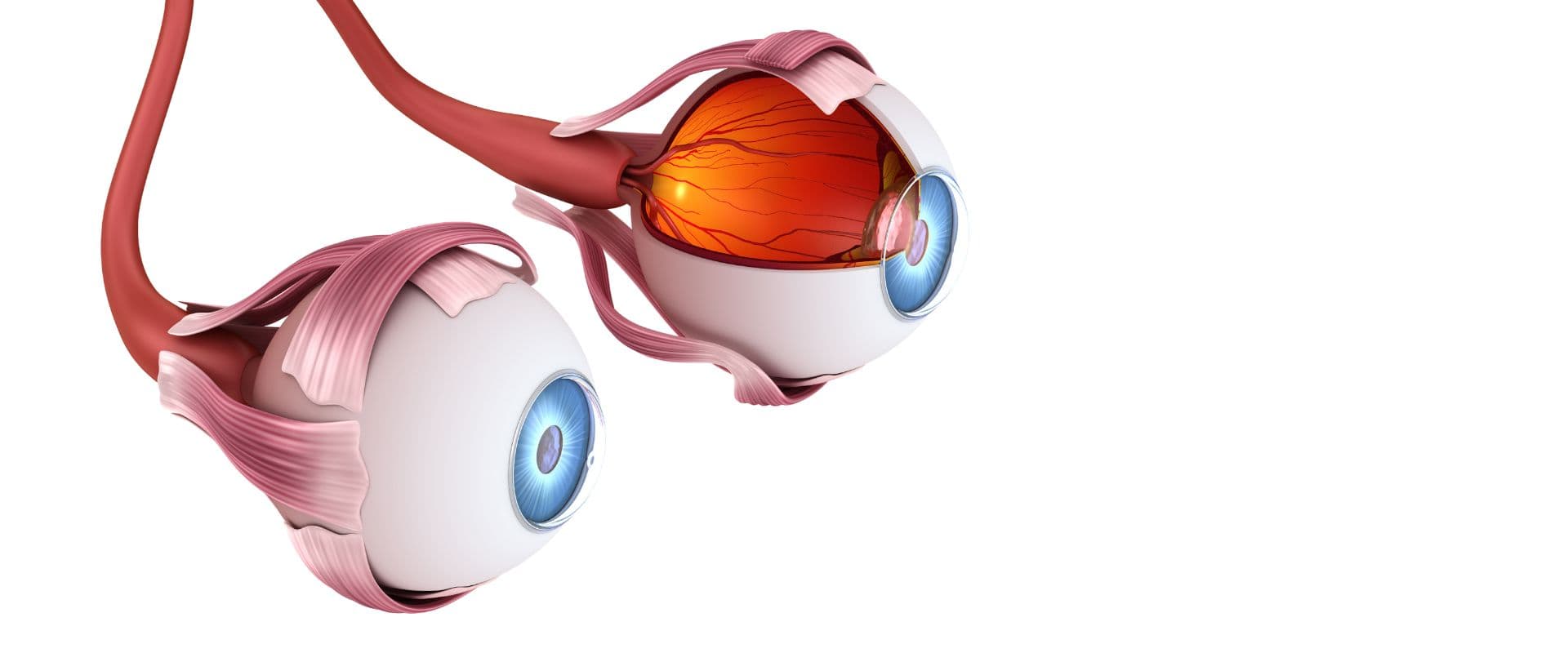
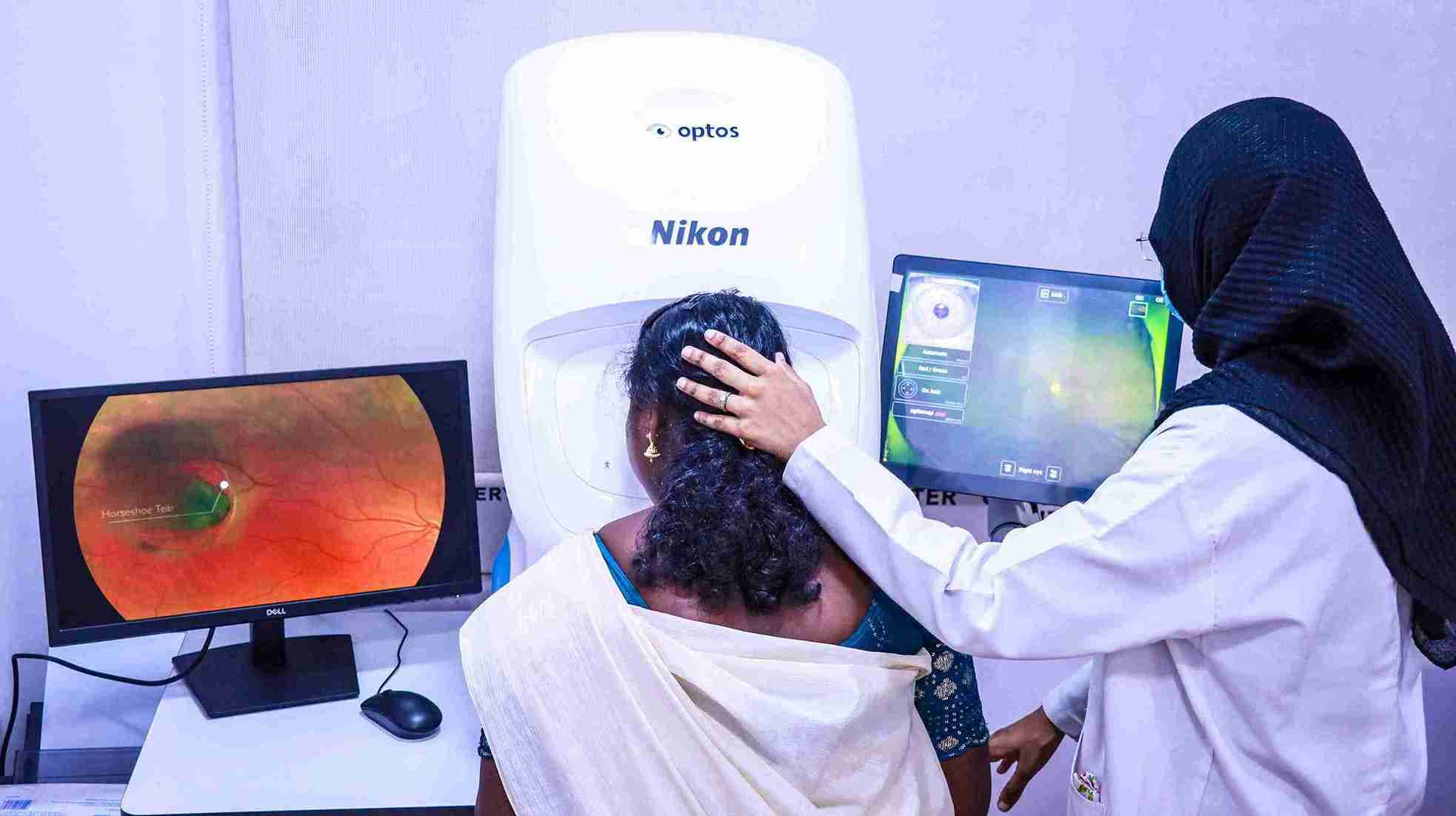
The retina is a thin layer of light-sensitive tissue located at the back of the eye. It plays a crucial role in vision by converting light into electrical signals, which are then sent to the brain via the optic nerve. A healthy retina is essential for clear vision and overall eye health.
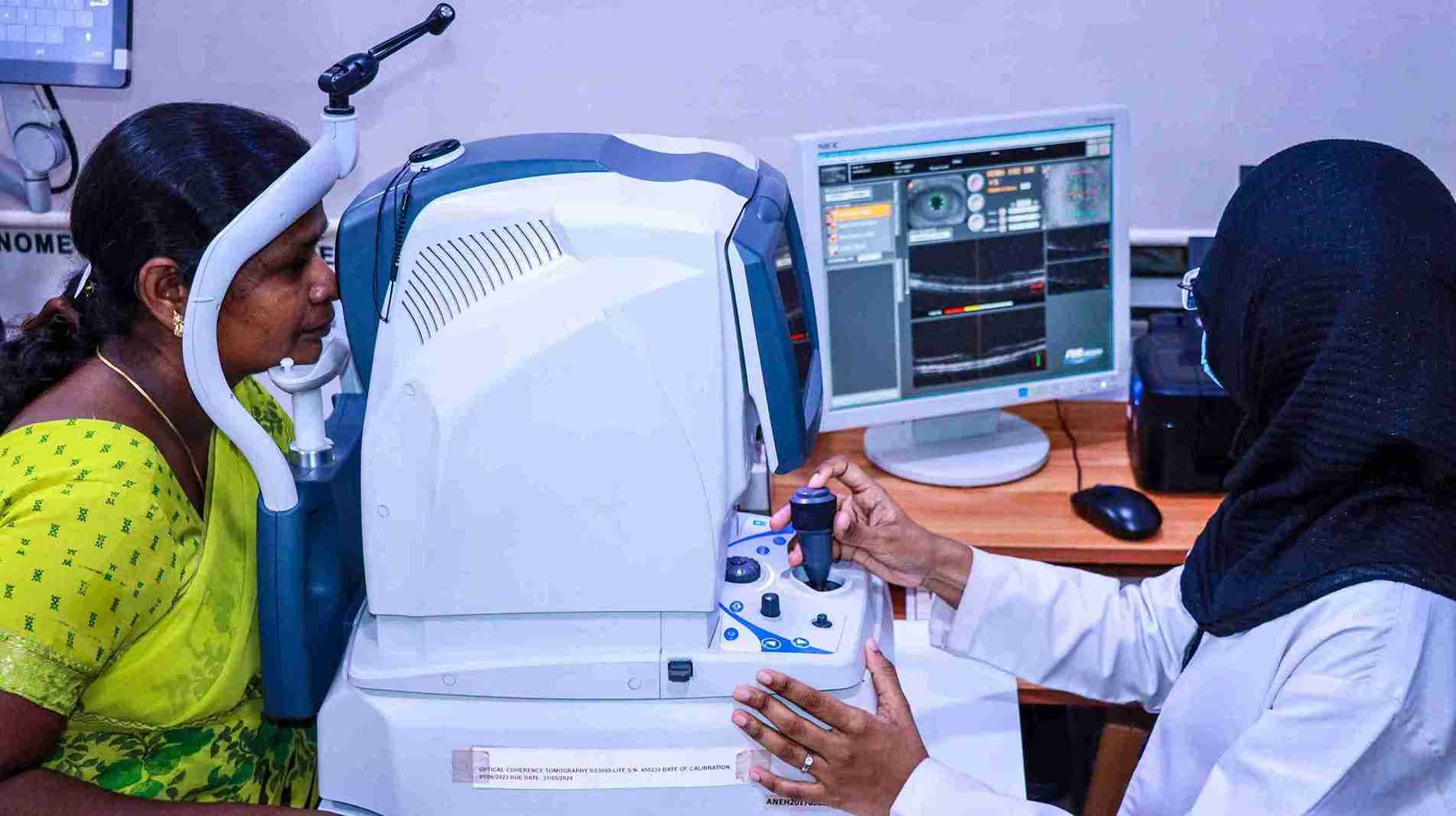
Diagnosing retinal issues involves a thorough eye examination using several techniques:
Provides cross-sectional images of the retina to evaluate its structure and detect conditions like macular degeneration or diabetic retinopathy.
Captures detailed images of the retina to monitor changes over time.
Allows the eye doctor to examine the retina, optic nerve, and blood vessels at the back of the eye.
Assesses blood flow in the retina and identifies leaks or blockages in the retinal blood vessels.
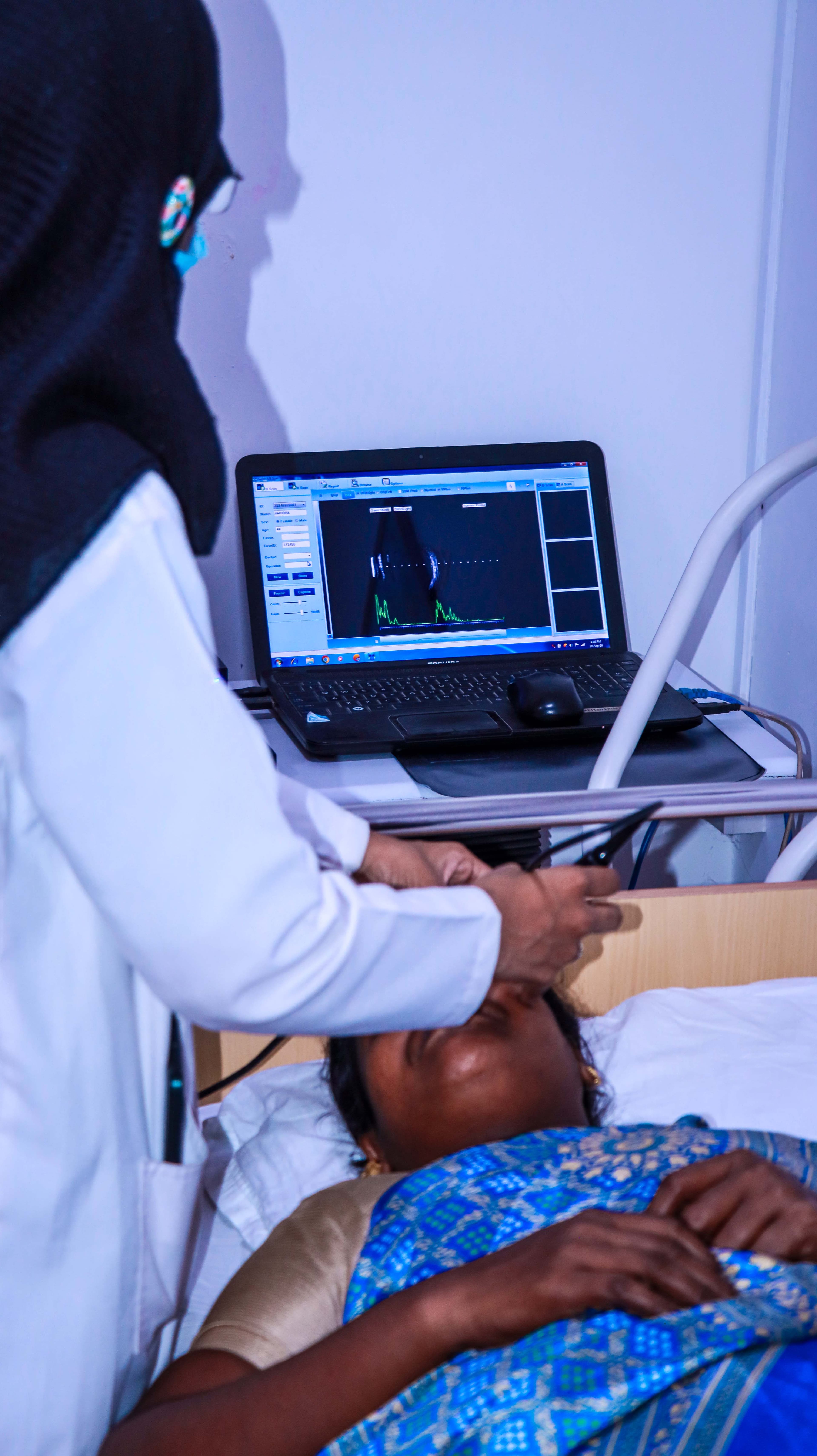
Helps visualize the retina when it is not clearly seen through other methods, such as in cases of severe eye trauma or cataracts.
Treatment for retinal problems depends on the specific condition diagnosed:
Maintaining retinal health is vital for preserving vision and overall eye function. Regular check-ups and proactive management of risk factors can help protect against serious retinal conditions and ensure early intervention when needed.
Routine eye examinations can help detect retinal problems early and manage conditions effectively before they cause significant vision loss.
Seek immediate medical attention if you experience symptoms like sudden vision changes or eye trauma.
Our Videos
FAQs
Treatment options depend on the specific condition and may include medications (e.g., anti-VEGF injections for macular degeneration), laser therapy (e.g., for retinal tears or diabetic retinopathy), cryotherapy (for retinal tears), or surgical interventions (e.g., vitrectomy for retinal detachment).
Our retina team is ready to help. Book a consultation or walk in at Periamet.