
An-Noor Eye Hospital

Cornea

Expert care for the eye’s transparent window to the world.

Cornea 1
Cornea 2
Cornea 3

What is Cornea?

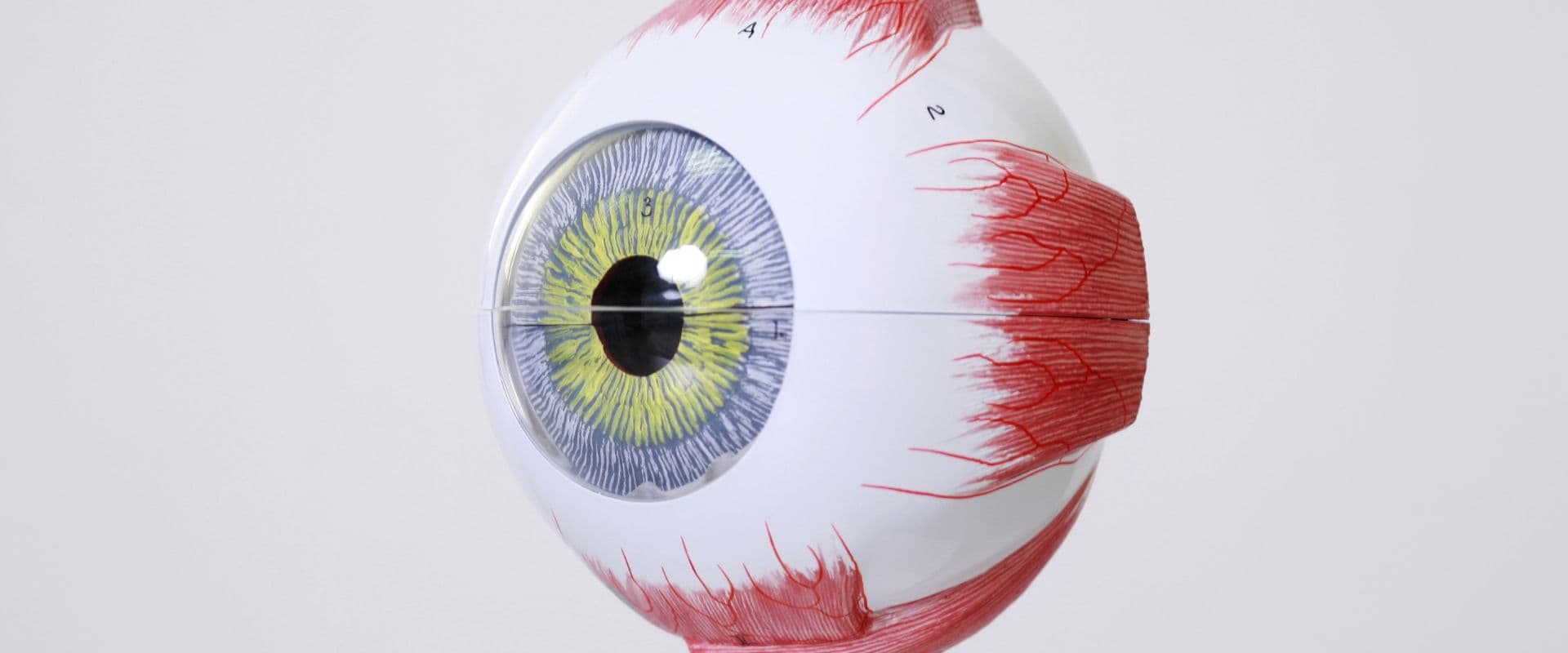
The cornea is the transparent, dome-shaped surface that covers the front of the eye. It plays a crucial role in focusing vision. Disorders of the cornea can affect vision and eye health significantly. Here’s a comprehensive overview of corneal issues, including symptoms, diagnosis, treatment, risk factors, prevention, and management.

Symptoms of corneal issues

Blurred or distorted vision Redness Sensitivity to light Eye pain

Treatment

Treating corneal issues varies based on the condition's severity and may include

  • Prescribed eye drops
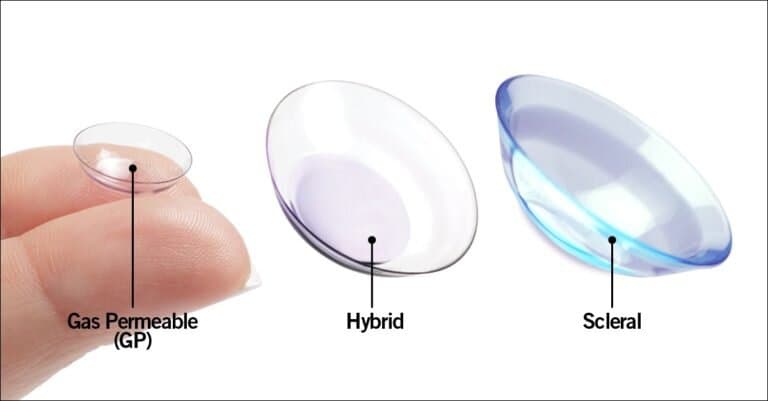
  • Specialized contact lenses
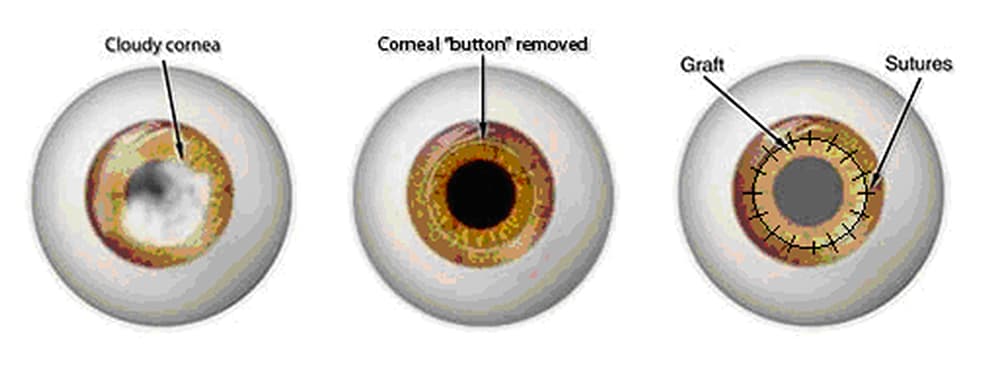
  • Surgical interventions such as corneal transplants to restore clarity and function.

Diagnosing corneal issues

  • Eye Exam: A comprehensive examination by an ophthalmologist or optometrist, including a visual acuity test.
  • Slit Lamp Examination: A microscope with a bright light used to examine the cornea in detail.
  • Corneal Topography: A mapping of the cornea’s surface to identify irregularities.
  • Fluorescein Staining: A special dye applied to the eye to highlight damage or abnormalities.
  • Microscopy: Examination of corneal cells or tissue samples, if necessary.

Risk Factors

  • Genetics: Family history of corneal diseases.
  • Infections: Viral, bacterial, or fungal infections affecting the cornea.
  • Eye Injury: Trauma to the eye.
  • Contact Lens Use: Poor hygiene or overuse of contact lenses.
  • Dry Eye Syndrome: Chronic dry eyes can damage the cornea.
  • Age: Certain conditions are more common with aging.
  • Autoimmune Diseases: Conditions like rheumatoid arthritis can affect the cornea.

Prevention

  • Good Hygiene: Proper cleaning and handling of contact lenses.
  • Protective Eyewear: Use of goggles or safety glasses to prevent injury.
  • Regular Eye Exams: Routine check-ups to catch problems early.
  • UV Protection: Wearing sunglasses with UV protection to shield the eyes from harmful sunlight.
  • Managing Chronic Conditions: Proper management of diseases that could impact the cornea.

Management

For any corneal issue, it's crucial to consult with an eye care professional for accurate diagnosis and appropriate treatment.

  • Regular Monitoring: Follow-up visits with an eye care professional to monitor the condition.
  • Adherence to Treatment: Consistent use of prescribed medications and therapies.
  • Lifestyle Adjustments: Modifications to reduce symptoms or prevent progression, such as using humidifiers for dry eyes.
  • Education: Understanding the condition and recognizing symptoms early can lead to timely intervention.

Common Corneal Diseases

01

Keratoconus

A progressive condition where the cornea thins and bulges into a cone shape, leading to distorted vision.

02

Corneal Ulcer

An open sore on the cornea, often caused by infection (bacterial, viral, fungal) or trauma.

03

Corneal Dystrophies

A group of genetic disorders where abnormal material accumulates in the cornea, leading to visual disturbances.

04

Dry Eye Syndrome

A condition where the eyes do not produce enough tears or the tears evaporate too quickly, leading to dryness and irritation.

05

Corneal Abrasion

A scratch or injury on the surface of the cornea.

06

Corneal Edema

Swelling of the cornea due to fluid buildup, often due to endothelial dysfunction.

07

Pterygium

A non-cancerous growth of tissue on the cornea, often related to excessive sun exposure.

08

Herpes Simplex Keratitis

A viral infection caused by the herpes simplex virus, affecting the cornea.

09

Chronic Corneal Rejection

A condition where the immune system attacks a transplanted cornea.

Corneal Dystrophies

If you suspect you have a corneal disease or are experiencing symptoms, it is important to see an eye care professional for a thorough evaluation and appropriate treatment.

DystrophyDescription
Fuchs’ Endothelial DystrophyInvolves the deterioration of the corneal endothelial cells, leading to swelling and visual impairment.
Lattice DystrophyCharacterized by the accumulation of abnormal proteins in the corneal stroma, causing vision problems.
Map-Dot-Fingerprint DystrophyCaused by abnormalities in the corneal epithelium, leading to blurred vision and discomfort.

Our Videos

A closer look at our latest solutions

FAQs

Frequently Asked Questions

While most corneal issues can be treated effectively, severe or untreated conditions might lead to significant vision impairment or, in rare cases, blindness. Timely diagnosis and treatment are crucial.

Ready to see clearly?

Our cornea team is ready to help. Book a consultation or walk in at Periamet.

Call WhatsApp Book