An-Noor Eye Hospital

Orbit And Oculoplasty

Reconstructive and cosmetic care for the eyelids, orbit and surrounding face.
Orbit and Oculoplasty 1
Orbit and Oculoplasty 2
Orbit and Oculoplasty 3
Orbit and Oculoplasty 4

Orbit

The orbit is the bony socket surrounding the eye, containing muscles, nerves, and blood vessels essential for eye function. Conditions affecting the orbit include orbital fractures, tumors, thyroid eye disease and orbital infections. Orbit-related conditions involve disorders of the eye socket (orbit), which can affect vision, appearance, and overall eye health.

Symptoms

Eye pain Bulging (protruding eyes) Double vision Vision changes

Common conditions and their symptoms

01

Orbital Cellulitis

  • Redness and swelling around the eye
  • Pain and tenderness
  • Fever
  • Restricted eye movement
  • Vision changes (e.g., blurred vision, double vision)
02

Orbital Tumors

  • Protrusion of the eye (exophthalmos)
  • Vision loss
  • Pain or discomfort
  • Double vision
  • Swelling around the eye
03

Orbital Fractures

  • Swelling and bruising around the eye
  • Double vision
  • Pain, particularly with eye movement
  • Restricted eye movement
  • Numbness in the cheek or upper jaw
04

Thyroid Eye Disease (Graves' Orbitopathy)

  • Bulging eyes
  • Dry, gritty sensation in the eyes
  • Eye redness and irritation
  • Difficulty moving the eyes
  • Vision changes or diplopia (double vision)
05

Orbital Infections or Inflammatory Conditions

  • Pain and swelling around the eye
  • Fever and general malaise
  • Vision changes
  • Redness or discharge from the eye

Diagnosis

01

Clinical Examination

  • Detailed assessment of symptoms
  • Inspection of eye movements and position
  • Evaluation of eyelid and orbital swelling
02

Imaging Studies

  • CT Scan: Useful for detecting orbital fractures, tumors, or infections.
  • MRI: Provides detailed images of soft tissues and is helpful for identifying tumors or inflammatory conditions.
03

Blood Tests

To identify underlying infections, inflammatory conditions, or systemic diseases (e.g., thyroid function tests for thyroid eye disease).

04

Biopsy

For diagnosing orbital tumors or infections when imaging is inconclusive.

Treatment

01

Orbital Cellulitis

  • Antibiotics: Intravenous antibiotics are typically used to treat the infection.
  • Surgery: In severe cases, surgical drainage may be necessary if there is an abscess or the infection does not respond to antibiotics.
02

Orbital Tumors

  • Surgery: To remove the tumor, depending on its type and location.
  • Radiation Therapy: For tumors that are not amenable to surgical removal.
  • Chemotherapy: For malignant tumors or when the tumor is not completely resectable.
03

Orbital Fractures

  • Observation: Minor fractures may heal on their own with regular monitoring.
  • Surgery: Required for significant fractures affecting eye movement, vision, or causing cosmetic concerns.
04

Thyroid Eye Disease

  • Medications: Corticosteroids to reduce inflammation.
  • Orbital Decompression Surgery: To relieve pressure on the optic nerve and improve appearance.
  • Eye Muscle Surgery: To correct eye alignment issues caused by muscle involvement.
05

Orbital Infections or Inflammatory Conditions

  • Antibiotics or Antivirals: Based on the specific cause of infection.
  • Anti-inflammatory Medications: To manage inflammation and pain.
  • Surgery: In some cases, surgical intervention may be necessary for abscesses or to relieve pressure.

Prevention

01

Protective Measures

  • Wear protective eyewear during activities that pose a risk of injury.
  • Use safety equipment in environments where debris or chemicals may pose a risk.
02

Good Hygiene

  • Maintain good eyelid hygiene to prevent infections.
  • Manage chronic conditions like sinusitis that can contribute to orbital infections.
03

Regular Eye Exams

Routine eye examinations to detect issues early, especially if you have underlying conditions like thyroid disease or systemic illnesses.

04

Prompt Treatment of Infections

Address infections promptly to prevent complications and spread.

Management

If you have symptoms or concerns related to orbital health, it is crucial to seek evaluation by an eye care professional or specialist to receive accurate diagnosis and appropriate treatment.

Ongoing proper Monitoring Medication Adherence Lifestyle Adjustments Surgical Follow-Up Patient Education

Oculoplasty

Oculoplasty

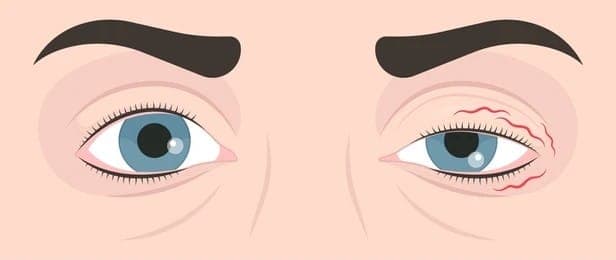
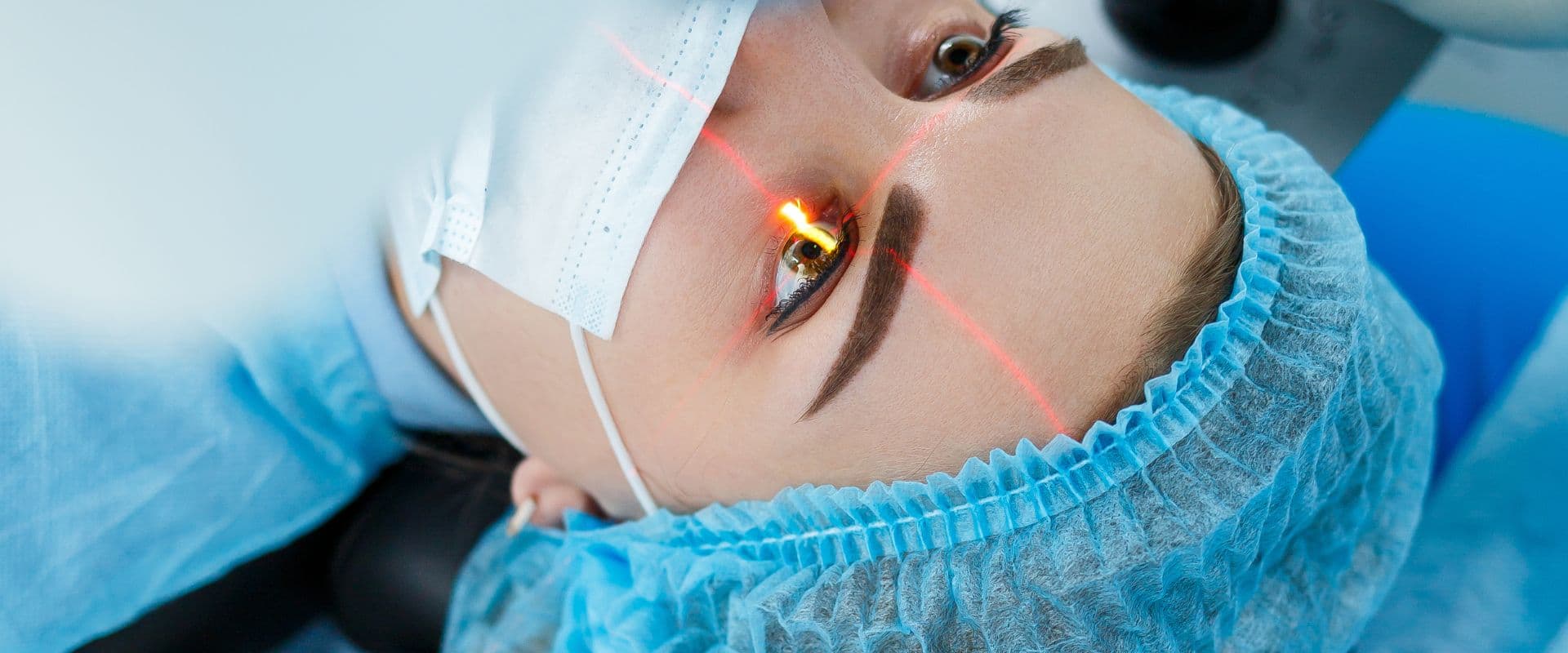
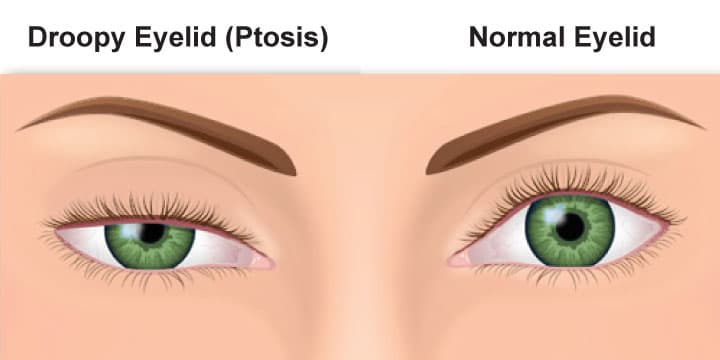
Oculoplastic surgery focuses on reconstructive and cosmetic surgery around the eyes and orbit. It addresses conditions such as drooping eyelids (ptosis), eyelid tumors and tear duct obstructions.

Oculoplastic surgery involves procedures related to the eyelids, orbit, and surrounding facial structures. This specialty addresses a range of conditions, from cosmetic concerns to functional and reconstructive needs.

Common Conditions & Symptoms

01

Blepharitis

  • Red, swollen eyelids
  • Itching or burning sensation
  • Gritty feeling in the eyes
  • Crusty deposits on the eyelid margins
  • Tearing or dry eyes
02

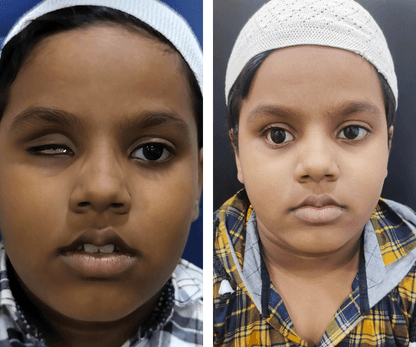
Ptosis (Drooping Eyelid)

  • One or both eyelids drooping
  • Difficulty keeping the eye open
  • Possible obstruction of vision
  • Eye fatigue or discomfort
03

Ectropion (Eyelid Turning Outward)

  • Eyelid turned outward
  • Irritation or dryness
  • Excessive tearing
  • Redness or infection
04

Entropion (Eyelid Turning Inward)

  • Eyelid turned inward
  • Eye irritation or discomfort
  • Redness and inflammation
  • Potential damage to the cornea
05

Chalazion

  • Painless lump or swelling on the eyelid
  • Redness and tenderness if inflamed
  • Possible visual obstruction if large
06

Blepharoplasty (Eyelid Surgery)

  • Excess skin or fat around the eyes
  • Visual obstruction due to sagging skin
  • Cosmetic concerns with appearance

Oculoplasty Diagnosis

  • Clinical Examination of eyelid position, skin, and function
  • Slit-Lamp Examination for a close-up view of the eyelid margins and corneal surface
  • Imaging Studies using MRI or CT Scan
  • Biopsy to determine if the growth is benign or malignant

Oculoplasty Treatment

01

Blepharitis

  • Eyelid Hygiene: Warm compresses and eyelid scrubs to clean the eyelid margins
  • Topical Medications: Antibiotic or anti-inflammatory eye drops or ointments
02

Ptosis

  • Surgical Correction: Eyelid surgery to tighten the levator muscle or reposition the eyelid
03

Ectropion

  • Surgical Repair: Procedures to correct the eyelid’s position and restore normal function
04

Entropion

  • Surgical Repair: Surgery to reposition the eyelid and prevent corneal damage
05

Chalazion

  • Warm Compresses: To promote drainage and reduce inflammation
  • Topical Steroids: For inflammation
  • Surgical Removal: If the chalazion persists or causes significant symptoms
06

Blepharoplasty

  • Surgical Procedure: Removal of excess skin or fat from the eyelids to improve vision and appearance

Prevention & Management

  • Good Eyelid Hygiene
  • Protective Measures: use safety glasses
  • Regular Eye Exams
  • Addressing underlying conditions like diabetes or thyroid disease that could affect eyelid health.

When to Seek Professional Help?

Consulting with an oculoplastic surgeon or ophthalmologist is crucial for accurate diagnosis and appropriate treatment of oculoplastic conditions.

  • Persistent Symptoms: If symptoms do not improve with initial treatment or if new symptoms develop
  • Visual Changes: Any significant changes in vision or discomfort
  • Pain or Infection: Severe pain, redness, swelling, or discharge that does not resolve

Our Videos

A closer look at our latest solutions

FAQs

Frequently Asked Questions

Risks can include infection, bleeding, scarring, changes in vision, or dissatisfaction with cosmetic results. Discussing these risks with your surgeon will help you understand potential outcomes.

Ready to see clearly?

Our orbit and oculoplasty team is ready to help. Book a consultation or walk in at Periamet.

Call WhatsApp Book