Early detection protects the optic nerve and preserves your sight.
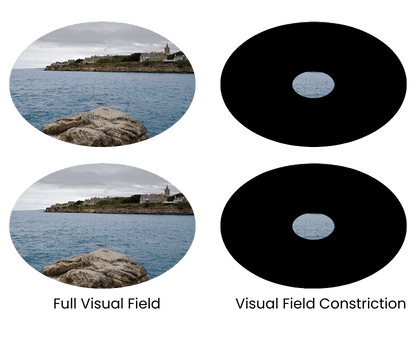
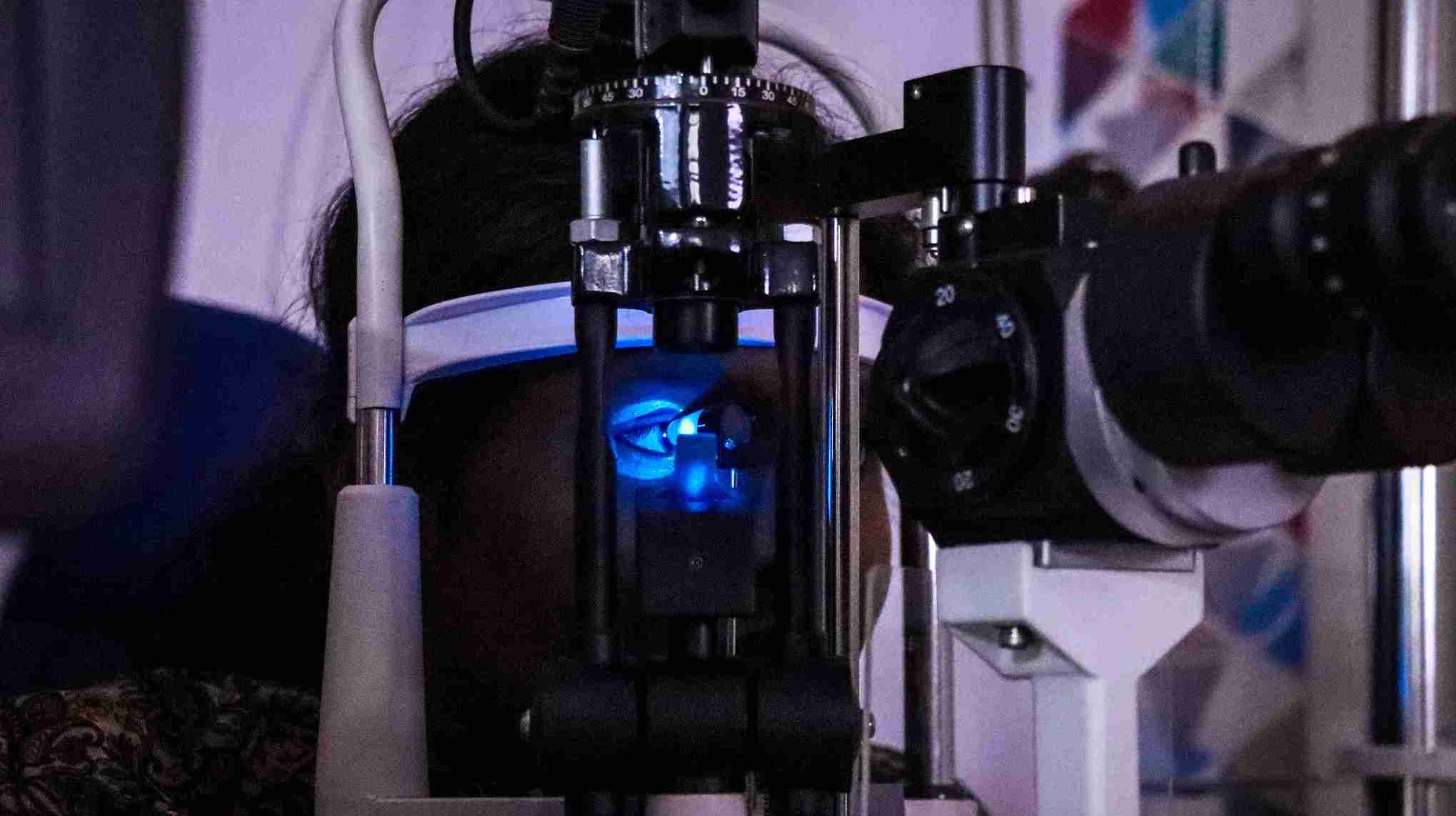
Glaucoma is a group of eye diseases that progressively damage the optic nerve, which is crucial for vision. This damage often results from increased intraocular pressure (IOP) within the eye. If left untreated, glaucoma can lead to severe vision loss or even blindness.
Early stages: vision loss progresses slowly without noticeable symptoms. Advanced stages: gradual loss of peripheral vision, leading to tunnel vision. Central vision may be affected later in the disease.
Acute attack: sudden symptoms including severe eye pain, headache, nausea, vomiting, blurred vision, and seeing halos around lights. The eye may appear red and may be accompanied by dilated pupils.
Symptoms may be less severe and include intermittent eye discomfort, headaches, and visual disturbances.
Similar to open-angle glaucoma but occurs despite normal intraocular pressure levels. Symptoms are often similar to those of open-angle glaucoma.
Symptoms depend on the underlying cause but may include those similar to primary types or could be asymptomatic.
Early diagnosis and appropriate treatment are crucial to managing glaucoma and preserving vision. If you experience any symptoms or are at risk, consult with an eye care professional to get a comprehensive evaluation and discuss the best treatment options.
Diagnosing glaucoma involves a series of comprehensive eye exams designed to assess eye health and measure intraocular pressure (IOP). Early detection is crucial for effective management and preserving vision.
Measures the intraocular pressure (IOP) to determine if it is elevated, which is a major risk factor for glaucoma.
Examines the optic nerve for signs of damage or changes that may indicate glaucoma.
Detects loss of peripheral vision, which is a common symptom of glaucoma.
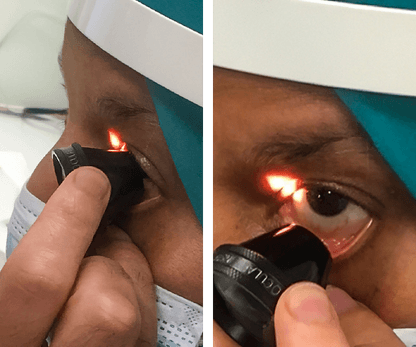
Assesses the angle where the iris meets the cornea, which is crucial for determining the type of glaucoma and checking for blockage in fluid drainage.
Provides detailed images of the retina and optic nerve head to evaluate the thickness of the retinal nerve fiber layer and detect early signs of glaucoma.
Measures the thickness of the cornea, as a thinner cornea can be a risk factor for glaucoma.
Measures how well you can see at various distances and helps rule out other potential causes of vision problems.
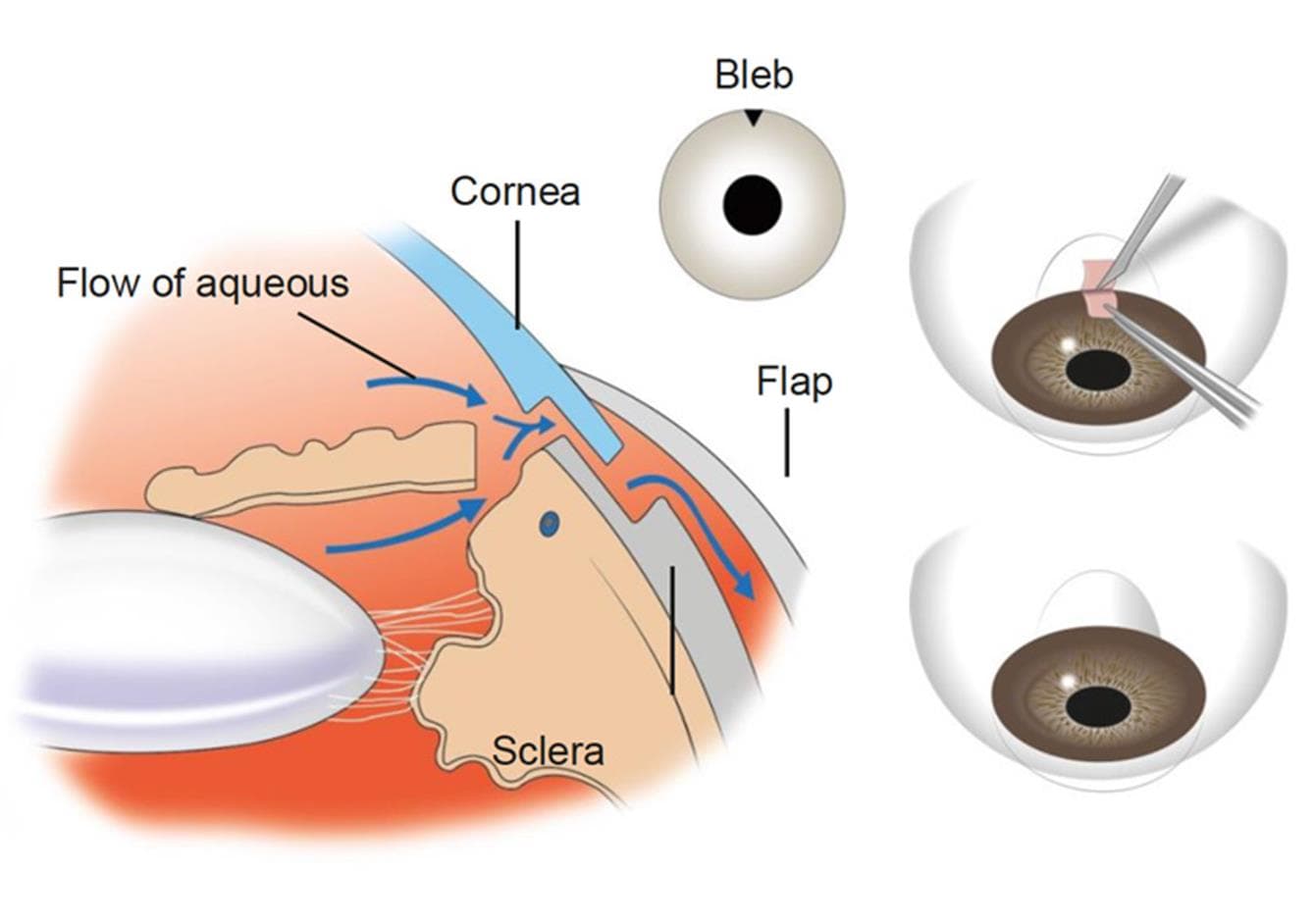
Early detection and treatment are vital for managing glaucoma and preserving vision. Treatment typically focuses on lowering intraocular pressure to prevent further damage to the optic nerve. Common treatment options include:
Our Videos
FAQs
There is no cure for glaucoma, but it can be managed effectively with early diagnosis and treatment to control intraocular pressure and prevent further vision loss.
Our glaucoma team is ready to help. Book a consultation or walk in at Periamet.