An-Noor Eye Hospital

Refractive Correction

LASIK, ICL and RLE – freedom from glasses, planned around your eyes.

Refractive Correction 1
Refractive Correction 2
Refractive Correction 3
Refractive Correction 4

Refractive correction

Refractive correction refers to the process to adjust or correct vision impairments caused by the eye’s inability to properly focus light on the retina. This adjustment compensates for refractive errors—such as nearsightedness, farsightedness, astigmatism, and presbyopia.

Types Of Refractive Correction

01LASIK - Laser Assisted In Situ Keratomileusis
02ICL - Implantable Collamer Lens
03RLE - Refractive Lens Exchange

LASIK

What is LASIK?

LASIK (Laser-Assisted In Situ Keratomileusis) is a popular refractive eye surgery designed to correct vision problems such as nearsightedness (myopia), farsightedness (hyperopia), and astigmatism. The procedure reshapes the cornea to improve how light is focused onto the retina, leading to clearer vision.

Symptoms

Blurry Vision Frequent Use of Glasses or Contact Lenses Eyestrain

Diagnosis

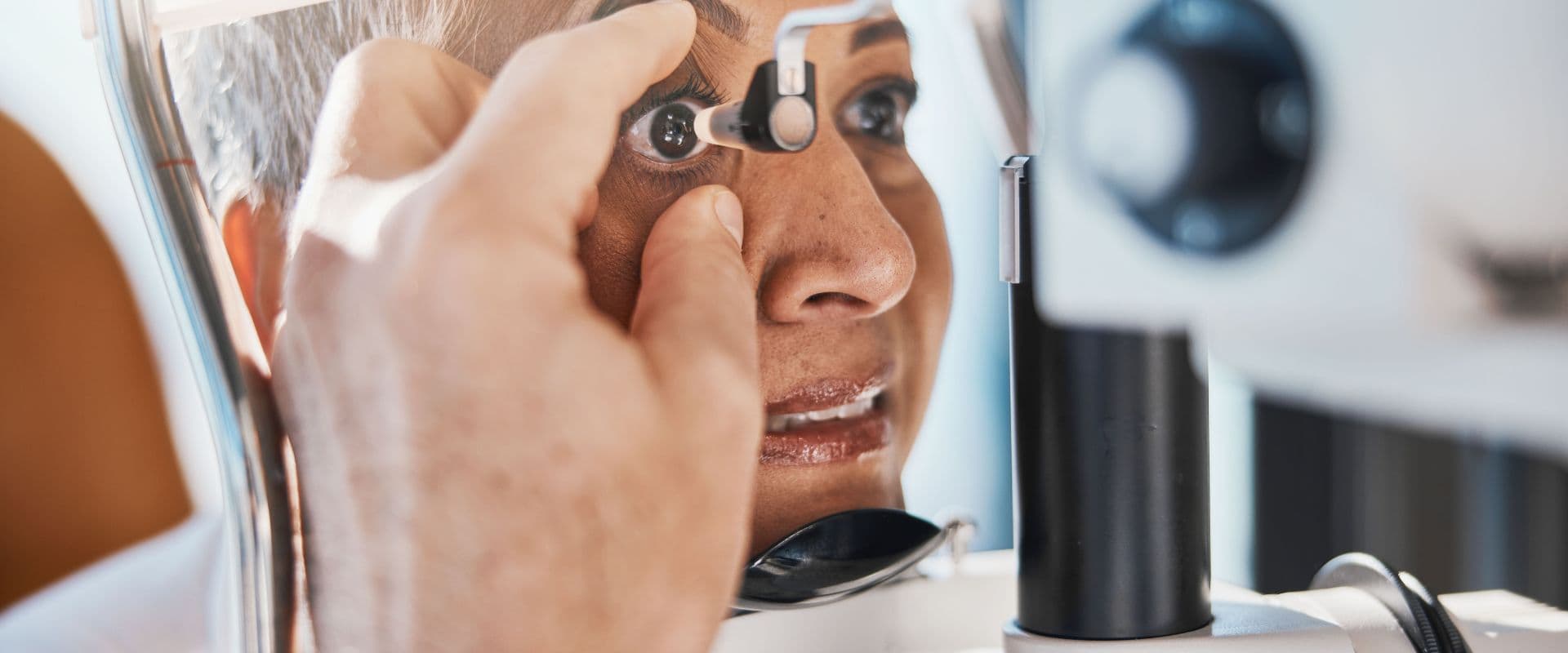
  • Comprehensive Eye Exam: Includes assessing visual acuity, eye health, and overall suitability for LASIK.
  • Corneal Topography: Maps the surface of your cornea to measure its shape and thickness. This helps in planning the precise correction needed.
  • Pachymetry: Measures the thickness of the cornea to ensure it is thick enough for the procedure.
  • Refraction Test: Determines the exact prescription needed to correct your vision.
  • Measurement of Eye Pressure: Ensures that the eye pressure is normal and that you are not at risk for glaucoma.
  • Anterion (Top high-end German technology from Heidelberg): Accurate results to get the most predictable & perfect visual outcome.
  • OCT: Dry Eye Assessment, Specular Microscope.
  • OPTOS: Used to take retinal images covering a 200° field of view WITHOUT DILATION (less waiting time, no blurriness).

Prevention of Complications

LASIK is generally safe, but potential complications include dry eyes, glare, halos, or under-correction. Following your surgeon’s instructions and attending follow-up visits can help minimize these risks.

  • Routine Eye Exams: Regular check-ups are crucial to monitor the health of your eyes and the results of the LASIK procedure.
  • Eye Protection: Protect your eyes from injury and avoid rubbing them, especially in the early post-operative period.
  • Manage Dry Eyes: If you experience dry eyes, use lubricating eye drops as recommended.

Treatment

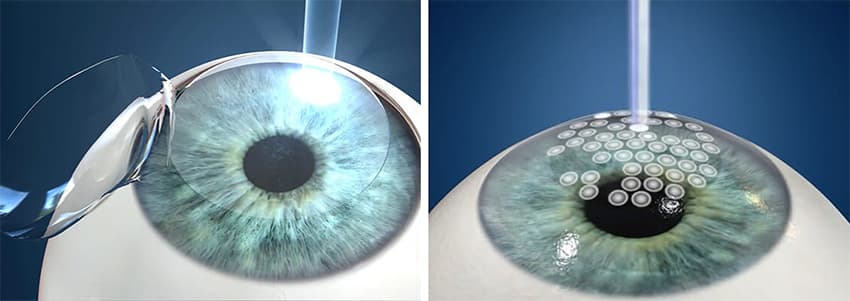
The LASIK procedure involves

01Creating a thin flap in the cornea
02Using a laser to reshape the underlying corneal tissue
03Repositioning the flap.

Types of LASIK

Type of LASIKProcedureAdvantageRecovery
EPI-LASIKThis technique involves creating a thin epithelial flap on the cornea's surface using a special device. Then a laser is used to remodel the underlying corneal tissue.Minimal disruption to the corneal structure; often preferred for patients with thin corneas.Typically involves a longer healing period compared to traditional LASIK.
SMILE (Small Incision Lenticule Extraction)SMILE uses a femtosecond laser to create a small lenticule (a disc-shaped piece of tissue) within the cornea, which is then removed through a tiny incision. The cornea is reshaped in this way to improve eyesight.Less invasive without the need for a corneal flap, potentially reducing the risk of flap-related complications.Usually involves a faster recovery time.
Femto-LASIKThis advanced form of LASIK uses a femtosecond laser to create the corneal flap, rather than a microkeratome. An excimer laser is then used to remodel the corneal tissue underneath.Offers greater precision in flap creation and can improve safety and outcomes.Generally provides a quick recovery and high visual outcomes, with reduced risk of flap complications.

LASIK FAQs

Suitable candidates generally have stable vision, are at least 18 years old, have healthy eyes, and have no contraindicating medical conditions. An eye care professional can determine your candidacy through a comprehensive eye exam.

Implantable Collamer Lens (ICL)

What is ICL?

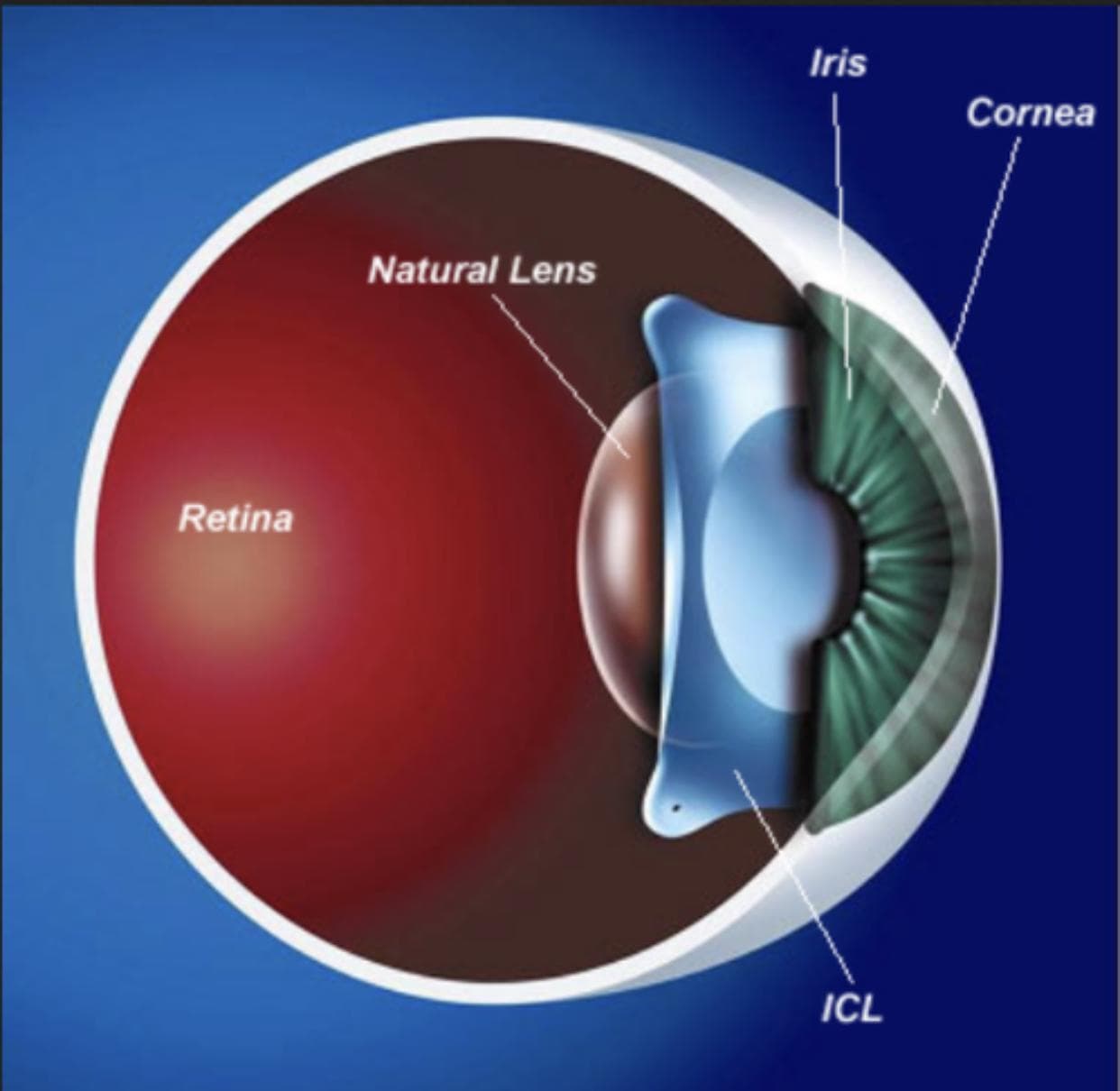
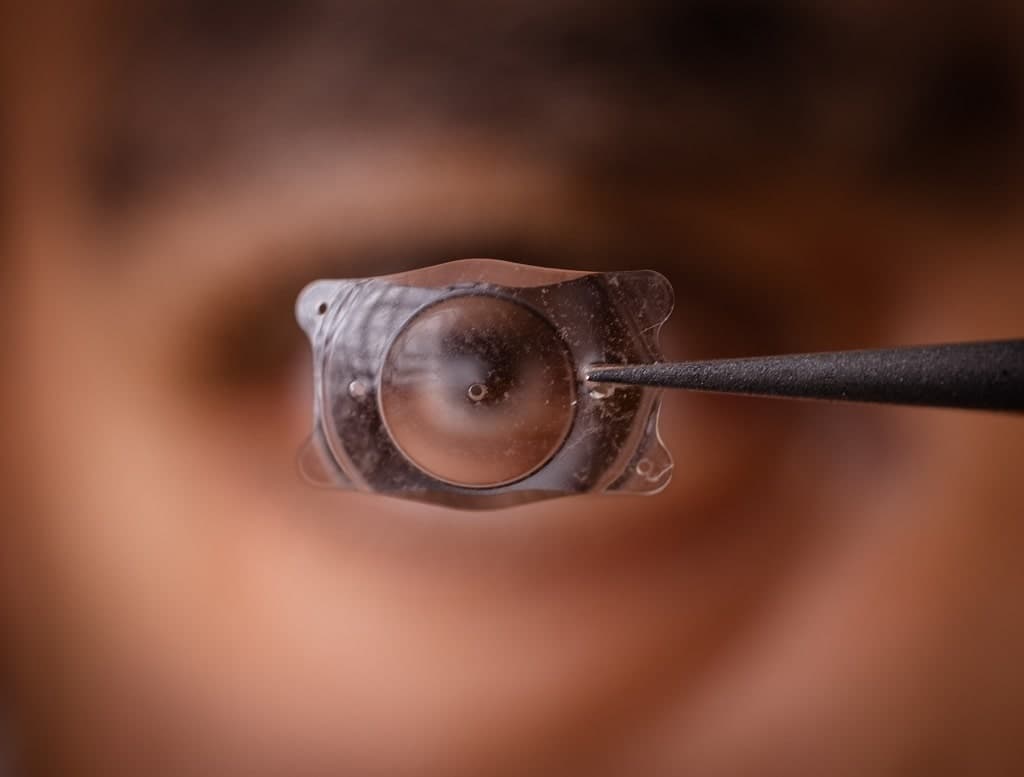
ICL involves implanting a special lens inside the eye, between the iris and the natural lens, to correct vision. Unlike other refractive surgeries like LASIK, ICL is reversible and can be a suitable option for patients who are not candidates for LASIK due to high prescriptions or thin corneas.

ICL Diagnosis Procedure

Before undergoing ICL surgery, a thorough eye examination is required, including

  • Visual Acuity Test: Measures how well you see at various distances.
  • Corneal Topography: Maps the corneal surface to determine its shape and thickness.
  • A-scan Biometry: Measures the eye’s internal dimensions to calculate the correct lens power.
  • Pupil Size Measurement: Assesses pupil size under different lighting conditions.
  • Overall Eye Health Evaluation: Ensures there are no underlying conditions that could affect surgery outcomes.

ICL Treatment

  • Preoperative Consultation: Detailed eye exam and discussions about expectations and potential risks.
  • Surgical Procedure: Performed under local anesthesia, the ICL is inserted through a small incision. The procedure typically takes about 15-30 minutes.
  • Postoperative Care: Includes using prescribed eye drops, avoiding certain activities, and attending follow-up appointments to monitor healing and vision.

ICL Potential Complications

ICL can be a highly effective solution for vision correction, especially for those not suited for LASIK. A thorough evaluation and discussion with an experienced ophthalmologist will help determine if ICL is the right choice for your visual needs and lifestyle.

  • Infection: As with any surgery, there is a risk of infection.
  • Increased Intraocular Pressure: Rarely, ICL can lead to increased eye pressure, which requires monitoring.
  • Lens Dislocation: The lens may shift or become misaligned, requiring further intervention.
  • Cataracts: In some cases, ICL may contribute to cataract development over time.

ICL FAQs

Candidates for ICL surgery typically are over 21 years old, have stable vision for at least one year, have moderate to severe myopia, hyperopia, or astigmatism, and have healthy eyes with no underlying conditions that could affect the outcome. A thorough eye examination by an ophthalmologist will determine if ICL is suitable for you.

RLE

RLE (Refractive Lens Exchange)

Refractive Lens Exchange (RLE), also known as Clear Lens Exchange (CLE) or Lens Replacement Surgery, is a procedure used to correct significant refractive errors by replacing the eye’s natural lens with an artificial intraocular lens (IOL). This procedure is often recommended for patients who are not candidates for LASIK or PRK, typically due to high refractive errors or presbyopia.

RLE Symptoms

  • Blurry Vision: Difficulty focusing on both near and far objects.
  • Significant Refractive Errors: High myopia (nearsightedness), hyperopia (farsightedness), or astigmatism.
  • Presbyopia: Age-related loss of near vision, commonly starting in the mid-40s.
  • Vision Disturbances: Issues such as halos, glare, or reduced contrast sensitivity.

RLE Diagnostic Procedures

  • Comprehensive Eye Exam: Includes visual acuity tests to measure how well you see at different distances.
  • Refractive Error Measurement: Determines the degree of myopia, hyperopia, or astigmatism.
  • Corneal Topography: Maps the curvature of the cornea to assess its shape.
  • A-scan Biometry: Measures the eye’s internal dimensions to calculate the appropriate lens power.
  • Assessment for Presbyopia: Evaluates how well you can focus on near objects.

RLE Treatment

  • Preoperative Evaluation: Thorough eye examination and discussion of surgical options and expected outcomes.
  • Surgical Procedure: Performed under local anesthesia, the natural lens is removed and replaced with an artificial IOL. The procedure typically takes about 15-30 minutes per eye.
  • Postoperative Care: Includes using prescribed eye drops, avoiding strenuous activities, and attending follow-up appointments to monitor recovery and vision.

RLE FAQs

Candidates for RLE typically include individuals who are over 40 years old and are experiencing presbyopia, have significant refractive errors that cannot be adequately corrected with glasses or contact lenses, are seeking a more permanent solution to vision correction, and have healthy eyes with no signs of eye disease other than refractive errors.

Our Videos

A closer look at our latest solutions

Ready to see clearly?

Our refractive correction team is ready to help. Book a consultation or walk in at Periamet.
Call WhatsApp Book