
Practical strategies and devices that restore independence.
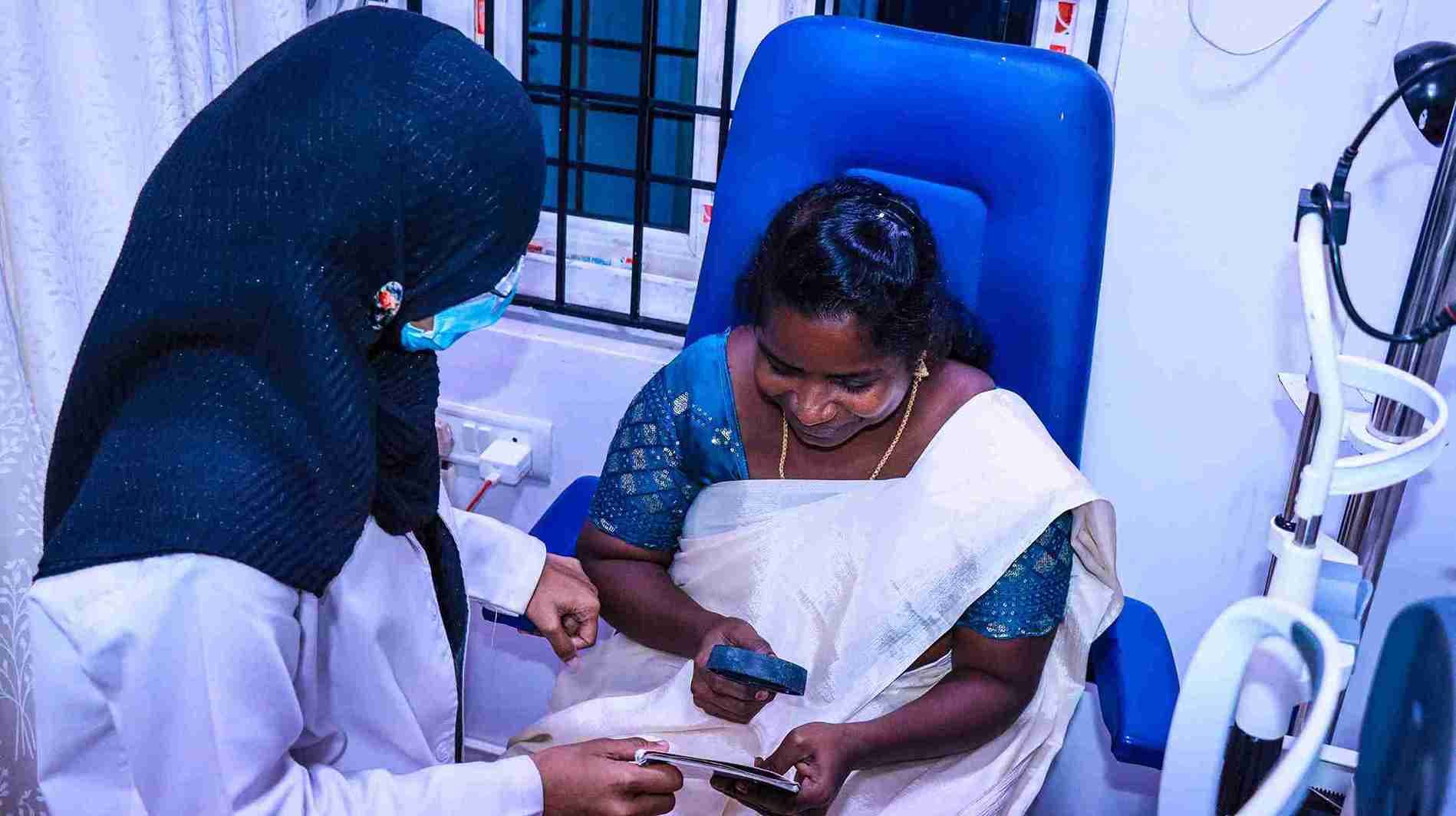
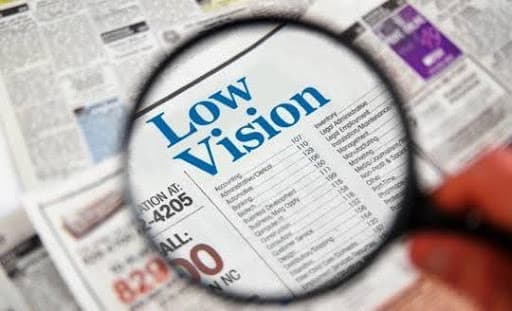
Low vision rehabilitation is a specialized process designed to help individuals with significant vision impairment to maximize their remaining vision and enhance their quality of life. Unlike treatments that aim to restore or improve vision to normal levels, low vision rehabilitation focuses on practical strategies and devices to support daily activities and enhance the quality of independence.
A comprehensive evaluation by an optometrist or ophthalmologist to determine the type and extent of vision loss and to understand the individual's specific needs and goals.
Instruction in techniques to improve daily living skills, such as organizing tasks, using adaptive methods, and maximizing residual vision.
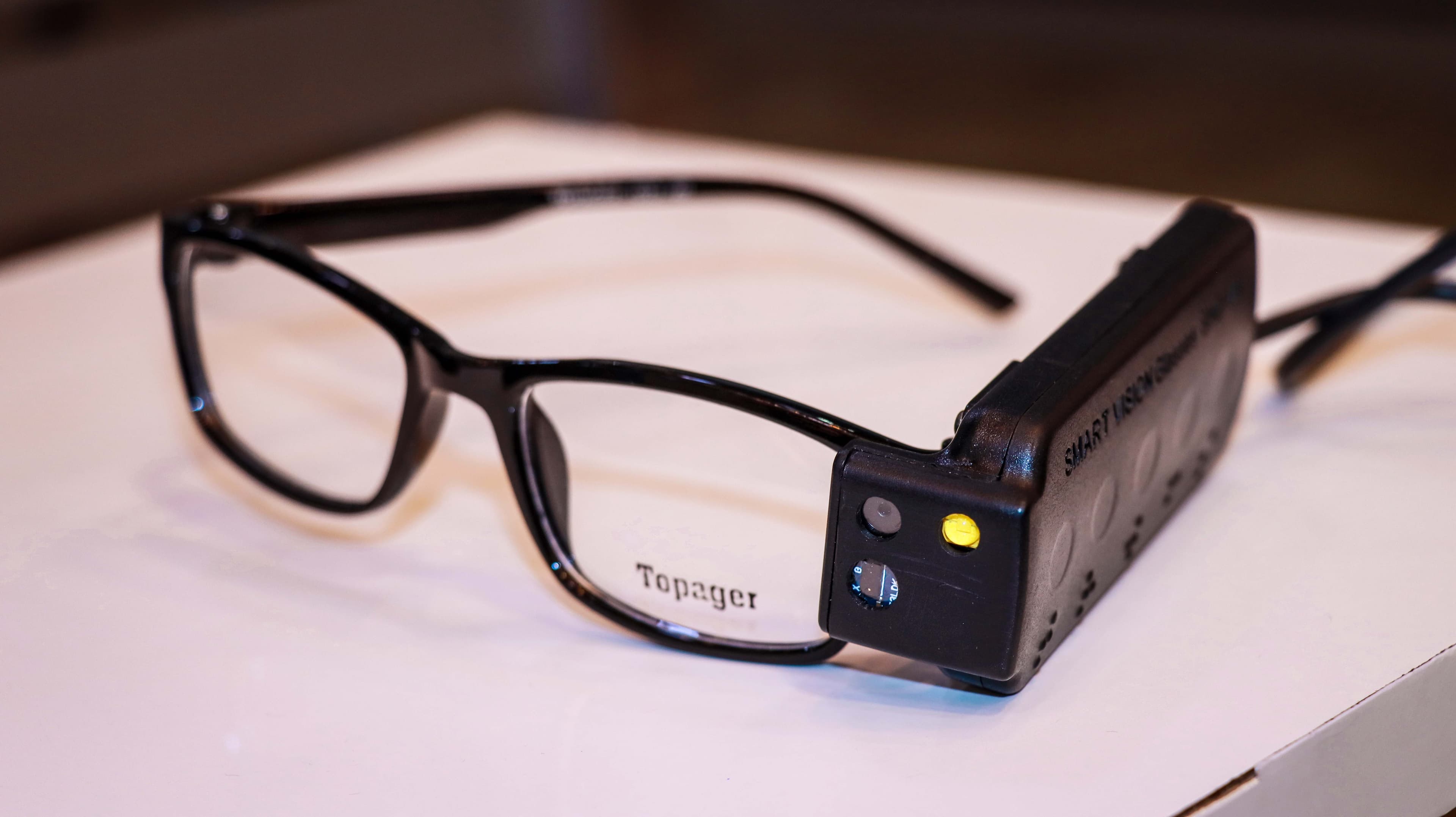
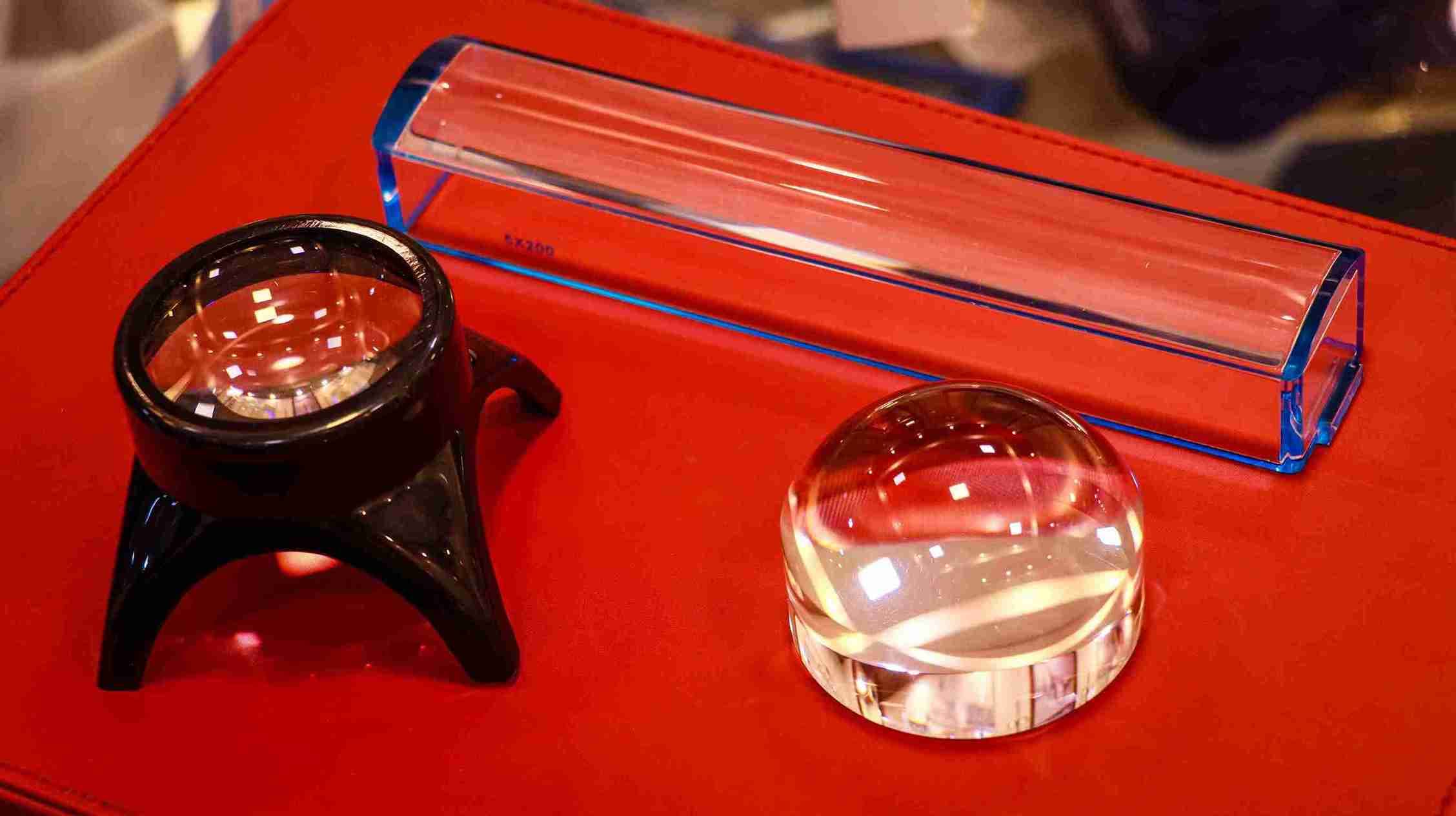
The use of specialized devices and technology to aid in reading, writing, mobility, and other daily tasks.
Recommendations for modifying the home or work environment to enhance safety and usability.
Low vision rehabilitation aims to enhance the quality of life for individuals with significant vision impairment by providing practical solutions and support. Through the use of various devices and techniques, individuals can achieve greater independence and participate more fully in daily activities. Collaboration with a vision rehabilitation specialist is crucial for selecting the most appropriate devices and strategies to meet personal needs and preferences.
FAQs
Electronic low vision aids often use cameras, screens, and software to enhance or magnify images. For example, digital magnifiers capture text or objects and display them on a screen with adjustable magnification, contrast, and color settings.
Our low vision rehabilitation team is ready to help. Book a consultation or walk in at Periamet.