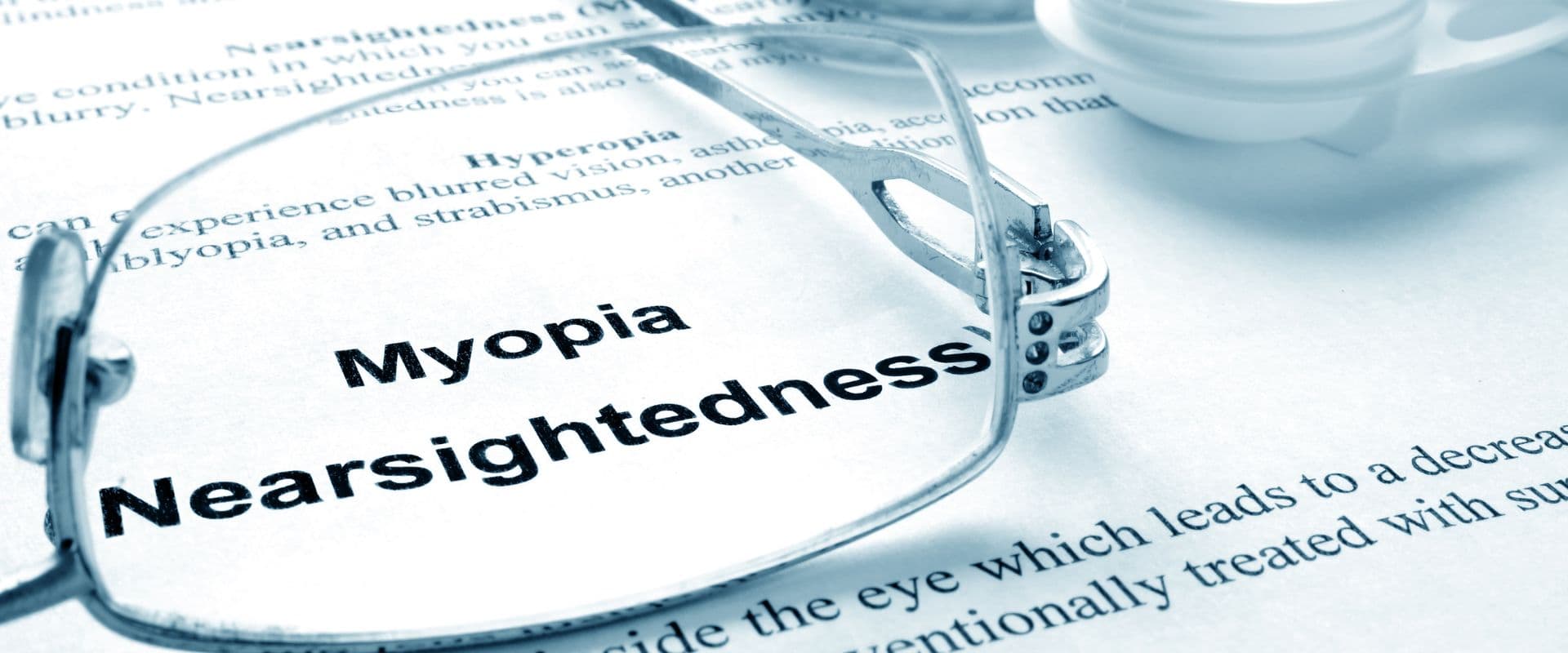
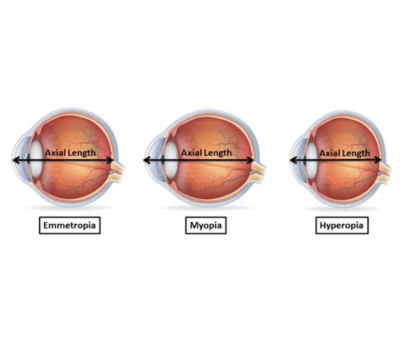
Myopia, also known as nearsightedness, is a common refractive error where distant objects appear blurry while close objects are seen clearly. This occurs when the eye's shape causes light rays to focus in front of the retina instead of directly on it.
Maps the cornea’s surface to assess its shape and curvature, which can impact myopia.
Measures the length of the eye and other parameters to understand the degree of myopia and how it affects vision.
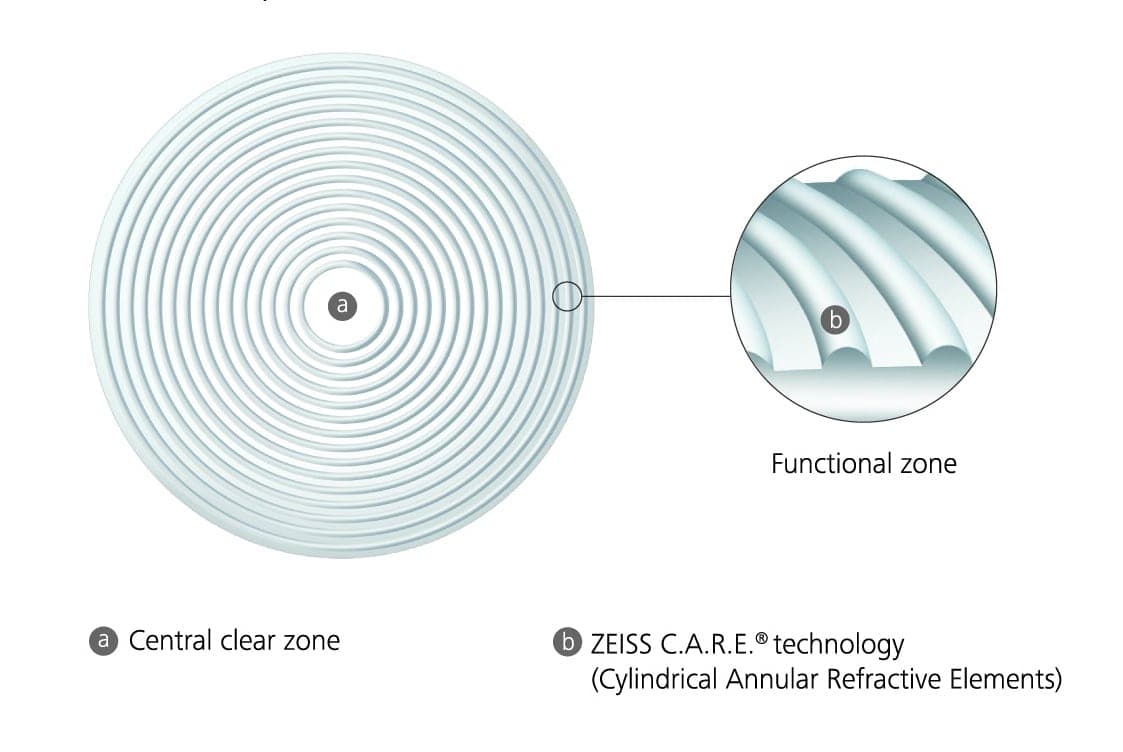
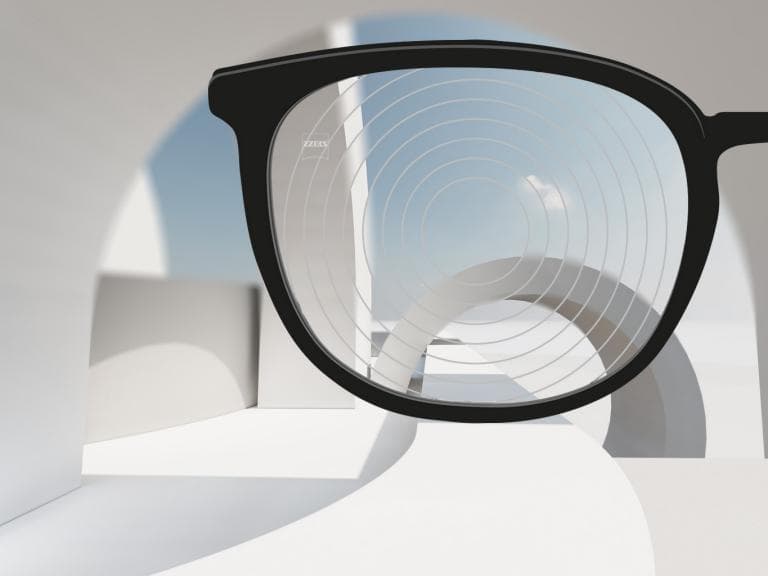
Correct vision by using lenses that help focus light correctly onto the retina. Eyeglasses are typically the first-line treatment for myopia.
Provide a wider field of vision and can be a more convenient alternative to glasses. They work similarly to glasses but sit directly on the eye.
Involves wearing specially designed rigid contact lenses overnight to reshape the cornea temporarily, providing clear vision during the day without glasses or contacts.
Myopia is a common vision condition that can be effectively managed with corrective lenses, contact lenses, or refractive surgery. Regular eye exams, lifestyle adjustments, and appropriate treatments can help manage symptoms and reduce the progression of myopia. Consult with an eye care professional to determine the best approach for your individual needs and ensure optimal vision health.
Our Videos
FAQs
Yes, myopia often runs in families. If one or both parents have myopia, their children are at a higher risk of developing the condition.
Our myopia screening team is ready to help. Book a consultation or walk in at Periamet.