
An-Noor Eye Hospital

Vision Therapy

NeuraSim neuro-optometric rehabilitation and patching programs.
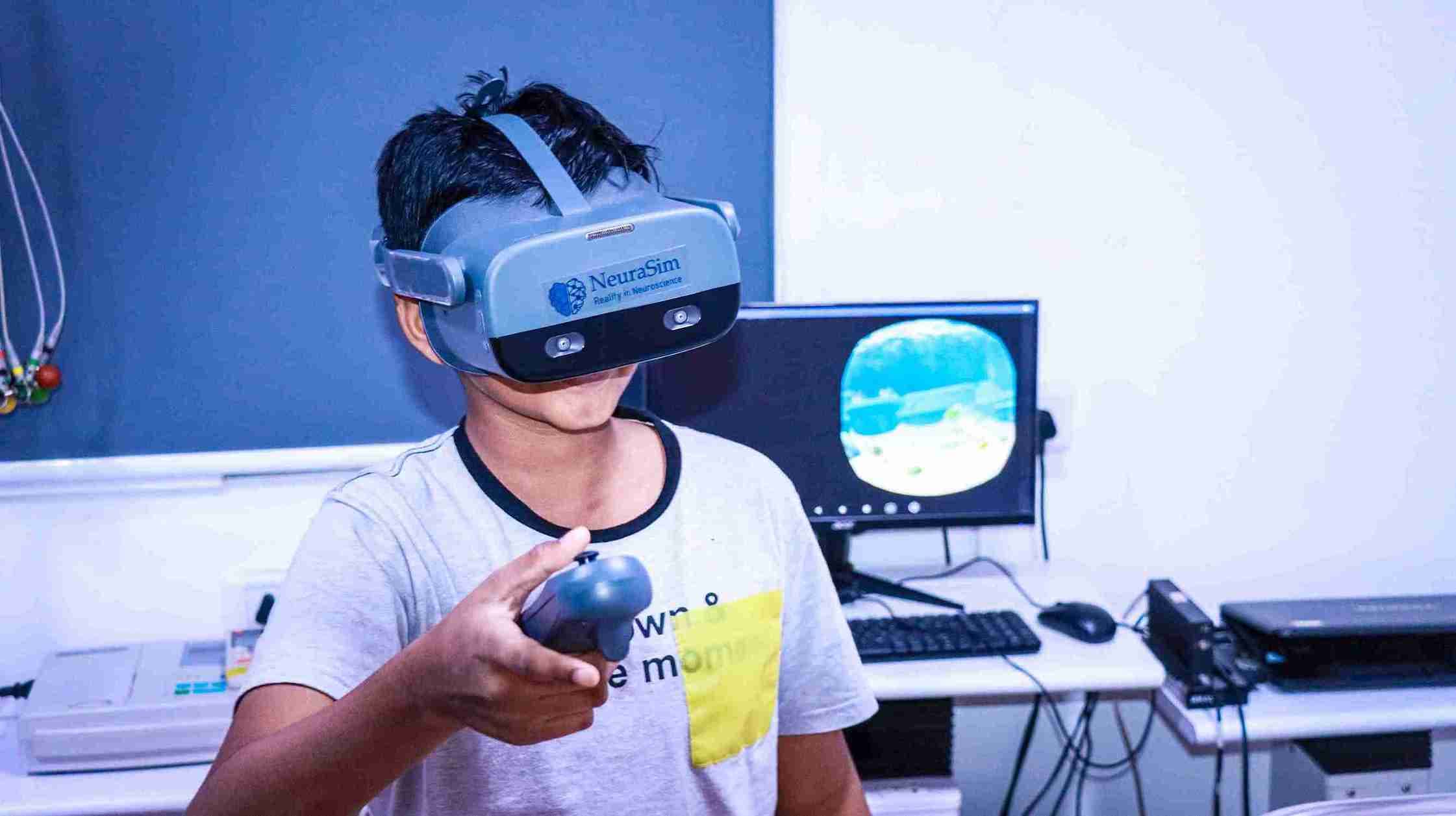
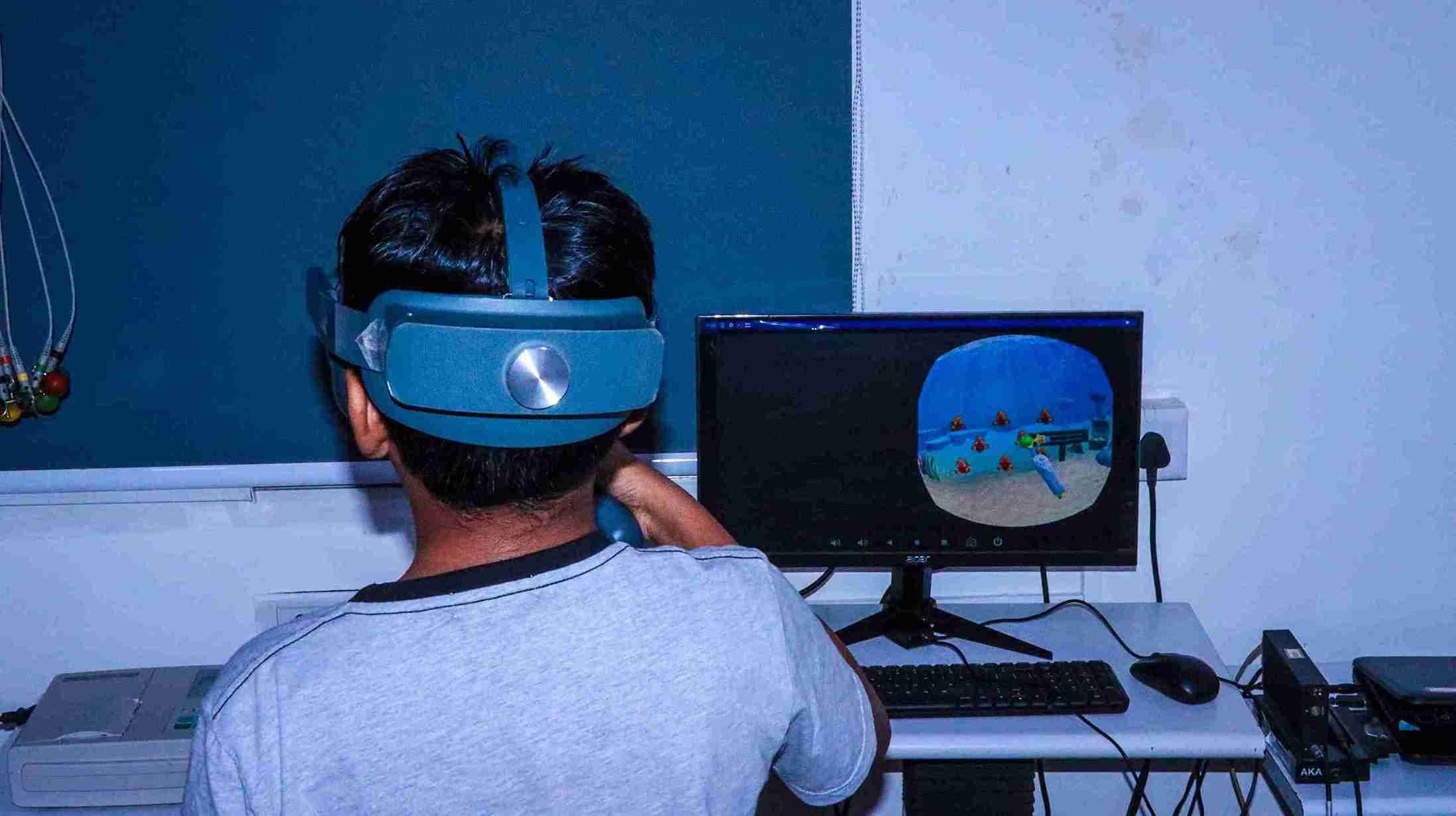
Vision Therapy (NEURASIM) 1
Vision Therapy (NEURASIM) 2
Vision Therapy (NEURASIM) 3

NeuraSim

NeuraSim or Neuro-Optometric Rehabilitation is a form of vision therapy that improves visual processing and perceptual skills using various exercises and activities. It is often used to address visual disorders, particularly those that affect the brain's ability to process and interpret visual information.

Symptoms Addressed by NeuraSim Vision Therapy

  • Visual Processing Disorders: Difficulties in interpreting and making sense of visual information, which can affect learning and daily activities.
  • Convergence Insufficiency: Difficulty in maintaining proper eye alignment when looking at close objects, leading to symptoms like eye strain and double vision.
  • Amblyopia (Lazy Eye): Reduced vision in one eye due to poor visual development, even with corrective lenses.
  • Strabismus (Eye Turn): Misalignment of the eyes.
  • Post-Concussion Syndrome: Visual disturbances following a concussion or brain injury.
  • Visual Tracking Issues: Difficulty in following moving objects or reading text efficiently.

Patching in Vision Therapy

Patching is a therapeutic technique used in vision care to treat various visual conditions, primarily amblyopia (often referred to as "lazy eye") and strabismus (misalignment of the eyes). The basic concept involves covering one eye to encourage the use and development of the other eye, promoting better visual function and coordination.

Purpose of Patching

Alternatives and complementary treatments include vision therapy and corrective lenses. Patching is a well-established method for treating amblyopia and managing certain types of strabismus. Though it requires commitment and can present challenges, it remains a valuable tool in vision therapy. Collaborating closely with an eye care professional ensures that the patching regimen is tailored to individual needs, optimizing the chances for successful outcomes and improved visual function.

01

Amblyopia Treatment

  • Goal: To improve visual acuity in the weaker eye (the amblyopic eye) by forcing it to work harder, thereby stimulating visual development and correcting the imbalance in visual input between the two eyes.
  • Method: The stronger eye is covered with a patch, making the weaker eye do more of the visual work.
02

Strabismus Management

  • Goal: To address certain types of strabismus by encouraging the use of the misaligned eye and improving binocular vision.
  • Method: Patching might be used in conjunction with other treatments like vision therapy or corrective lenses.
03

How different types of patches work

  • Adhesive Patches: Stick directly onto the skin around the eye.
  • Fabric Patches: Usually secured with an elastic band or strap around the head.
  • Opaque Patches: Cover the entire eye with a non-transparent material.
  • Transparent Patches: Use special materials that reduce vision but do not completely block light.
04

Duration and Frequency

  • The duration of patching can vary based on the severity of the condition and the treatment plan.
  • The frequency of patching is typically prescribed by an eye care professional and can change over time as progress is made.
05

Benefits of Patching

  • Improves Visual Acuity
  • Encourages Binocular Vision
  • Cost-Effective
06

Monitoring and Follow-Up

  • Regular Check-Ups: Frequent visits to an eye care specialist are important to monitor progress, adjust the treatment plan as needed, and address any issues that arise.
  • Evaluation of Progress: The effectiveness of patching is assessed through visual acuity tests, eye alignment evaluations, and other diagnostic measures.

Treatment with NeuraSim / Vision Therapy

NeuraSim and vision therapy typically involve a structured program of activities designed to improve visual skills and processing. The therapy can include

  • Eye Exercises: Activities to strengthen eye muscles, improve convergence, and enhance coordination between the eyes.
  • Visual Perception Training: Exercises that improve the brain’s ability to process and interpret visual information, such as recognizing patterns or spatial orientation.
  • Binocular Vision Training: Techniques to improve coordination between the eyes and enhance depth perception.
  • Visual-Motor Integration: Exercises that link visual perception with motor skills, such as tracking and hand-eye coordination activities.
  • Sensory Integration Therapy: Activities that help integrate visual input with other sensory information to improve overall perception and function.

How It Works?

01Assessment
02Customized Program
03Regular Sessions

Considerations

  • Professional Guidance: It’s important to have therapy supervised by a trained and licensed vision therapist or optometrist specializing in neuro-optometric rehabilitation.
  • Time Commitment: Vision therapy often requires a significant time commitment, both in terms of therapy sessions and home practice.

Our Videos

A closer look at our latest solutions

FAQs

Frequently Asked Questions

Yes, lifestyle changes can assist in managing neurological conditions. These might include maintaining a balanced diet, engaging in regular exercise, avoiding known irritants, managing stress, and following a treatment plan recommended by your healthcare provider.

Ready to see clearly?

Our vision therapy (neurasim) team is ready to help. Book a consultation or walk in at Periamet.

Call WhatsApp Book